Moss Wood 2023 Cabernet Sauvignon Newsletter
Autumn News Issue #130 April 2026
MOSS WOOD 2023 Cabernet sauvignon
The 2023 Moss Wood Cabernet Sauvignon marks the 50th anniversary of our first vintage, made in 1973, and is the 51st commercial release of this wine, the 1978 vintage having been released as Moss Wood Dry Red.
It is important to note the wine has only ever come from one location giving it consistent and unique characteristics, courtesy of our site. However, each vintage is also an expression of the season Mother Nature chose to deliver us, meaning no two Moss Wood Cabernet Sauvignons are the same. Of course, she exhibits both good and bad temper and learning to live and work with these is the great challenge of farming, loved by the Mugford family, who’ve had the privilege of being involved since 1979.
The 2023 is a fitting addition to this history.
2023 VINTAGE NOTES
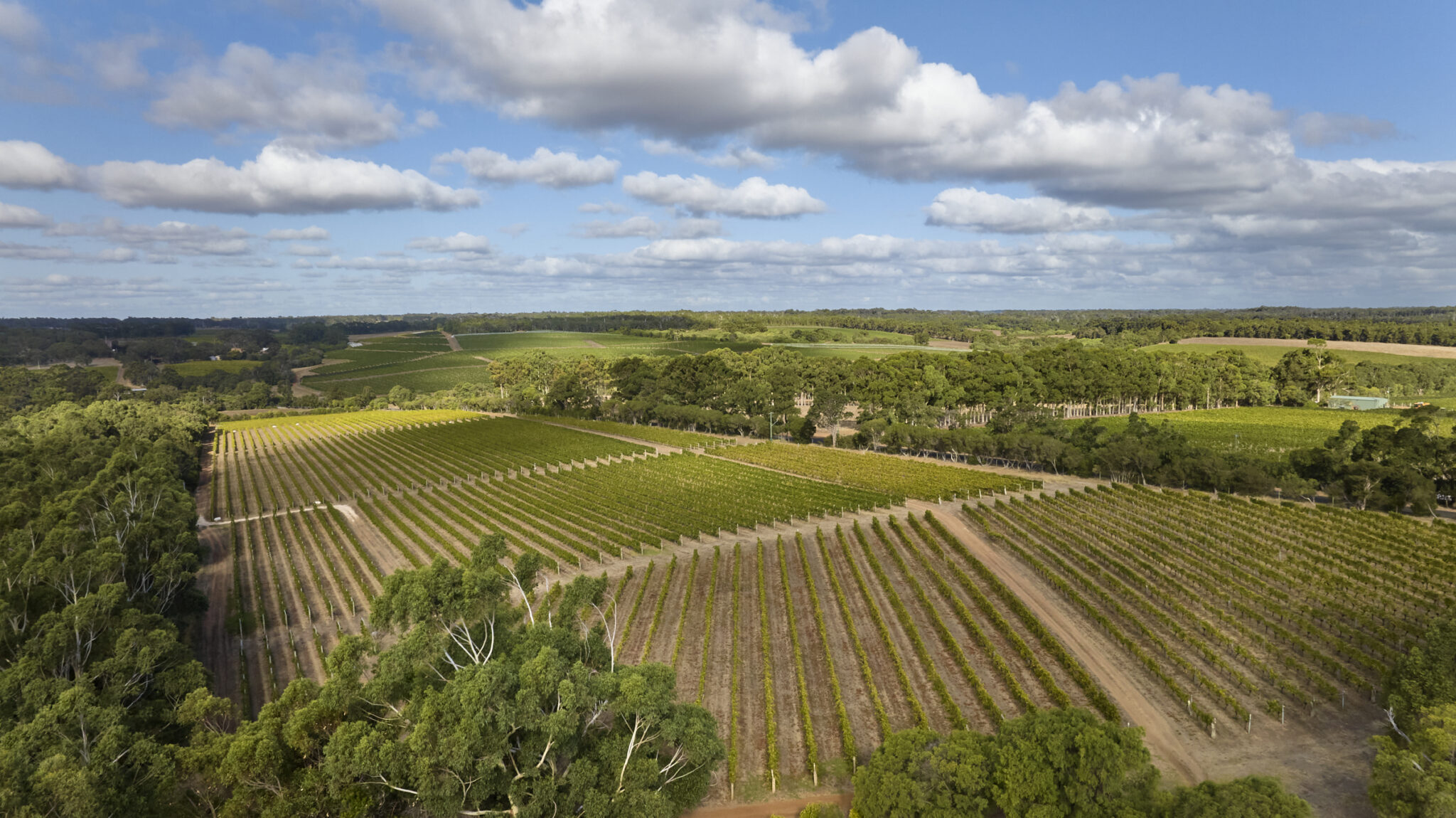
The 2022–23 growing season in Wilyabrup began with above-average winter rainfall. During the calendar year of 2022, Moss Wood recorded 1114mm, 10% above the long-term average of 1012mm. This ensured the soil entered spring with good water reserves, an important factor for our unirrigated vineyards.
From there, the season settled into moderate conditions and, importantly, an extended ripening period. The growing season average temperature was 19.9°C, slightly below the long-term mean of 20.1°C, but the vines accumulated 1207 hours in the optimal ripening range between 18°C and 28°C, comfortably above the 1100 hours we regard as the minimum for adequate ripening. At the same time, there were few periods of extreme heat, with 48 hours recorded above 33°C, slightly below the long-term average.
These conditions are typical of seasons where fruit develops steadily and without interruption, allowing both flavour and tannin to reach full maturity without excessive sugar accumulation.
Flowering conditions help explain the crop levels in 2023. Cabernet Franc was the first of the varieties to begin, from 10th November to 14th December. During this period, 26mm of rainfall was recorded, which likely disrupted fruit set to some degree. The final yield was 5.05 tonnes per hectare, approximately 11% below the long-term average.
Cabernet Sauvignon followed, flowering from 20th November to 15th December. Rainfall during this period was minimal, with just 9mm recorded, providing favourable conditions for fruit set. The resulting yield was 8.61 tonnes per hectare, approximately 18% above average.
Petit Verdot commenced on 23rd November and finished on 19th December, with 8.4mm of rainfall recorded. While conditions appeared favourable, the variety again behaved independently, producing 3.93 tonnes per hectare, around 22% below the long-term average. On this point, it’s perhaps worth revisiting the old observation that Petit Verdot can be a somewhat temperamental variety - seemingly well set one moment, but prone to an emotional response at the slightest interruption to ideal flowering conditions, at which point it promptly sheds its crop.
Ripening proceeded steadily through late summer. Cabernet Franc was harvested on 31st March, followed by Petit Verdot on 5th April and Cabernet Sauvignon on 9th April, some 12 days later than the long-term mean.
Ripeness levels were consistent with the style we seek at Moss Wood, with Cabernet Sauvignon at 13.0° Baumé, Cabernet Franc 13.0° and Petit Verdot 13.5°. Cabernet Sauvignon took 122 days from flowering to harvest, slightly shorter than average but still within the context of a long, even ripening period.
Overall, the season produced fruit of very good quality, with the combination of moderate temperatures and extended ripening resulting in balanced acidity, ripe tannins and good flavour development.
In the context of the Moss Wood Cabernet Sauvignon style, the 2023 vintage aligns most closely with a number of our more classical seasons, including 2018 (19.63°C), 2014 (19.97°C) and 2015 (19.92°C). The growing season temperature sits comfortably within the range of these years, and, importantly, the season was longer, allowing flavour development to proceed in a steady and unforced manner. At the same time, the relatively low incidence of high temperature events ensured the fruit avoided heat stress.
When viewed alongside some of our benchmark vintages, 2023 sits between 2001 and 2005. The 2001 season was slightly cooler, while 2005 was warmer, and in this respect 2023 lies between the two in terms of growing season temperature. However, it is distinguished by a longer ripening period than either year and fewer high temperature events. This points to a season where flavour and tannin development proceeded more gradually, without the influence of elevated heat. In practical terms, such conditions tend to produce wines of finer structure and more detailed fruit expression. In Cabernet Sauvignon, the cooler profile also preserves the more delicate aromatic spectrum, lifting the nose with notes of violet, rose and pomegranate.
On this basis, we expect the 2023 Cabernet Sauvignon to age in a manner consistent with these earlier vintages, albeit in a slightly more restrained style.
PRODUCTION NOTES
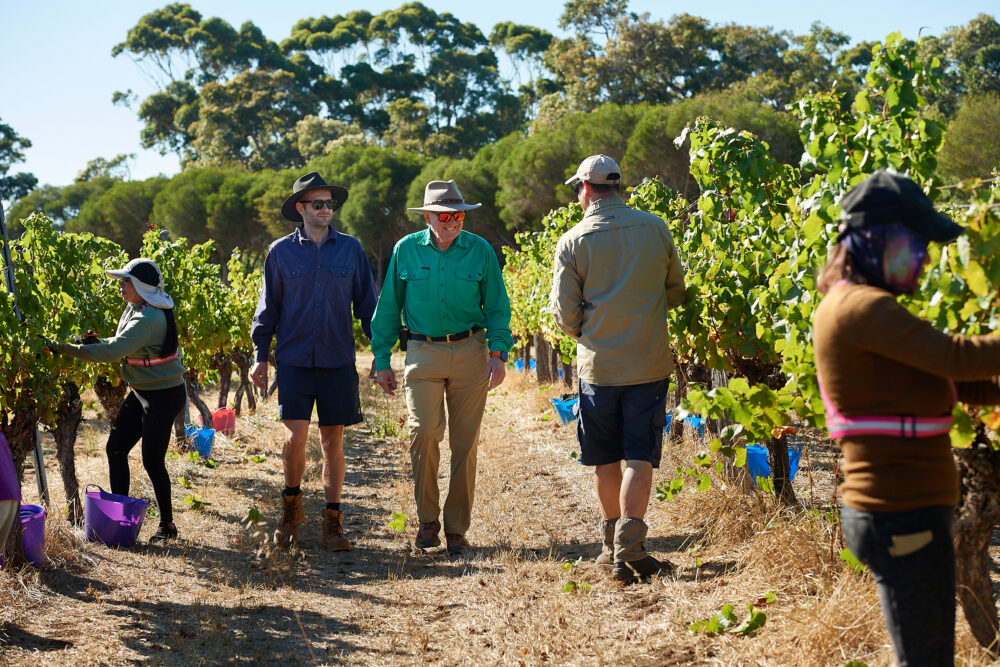
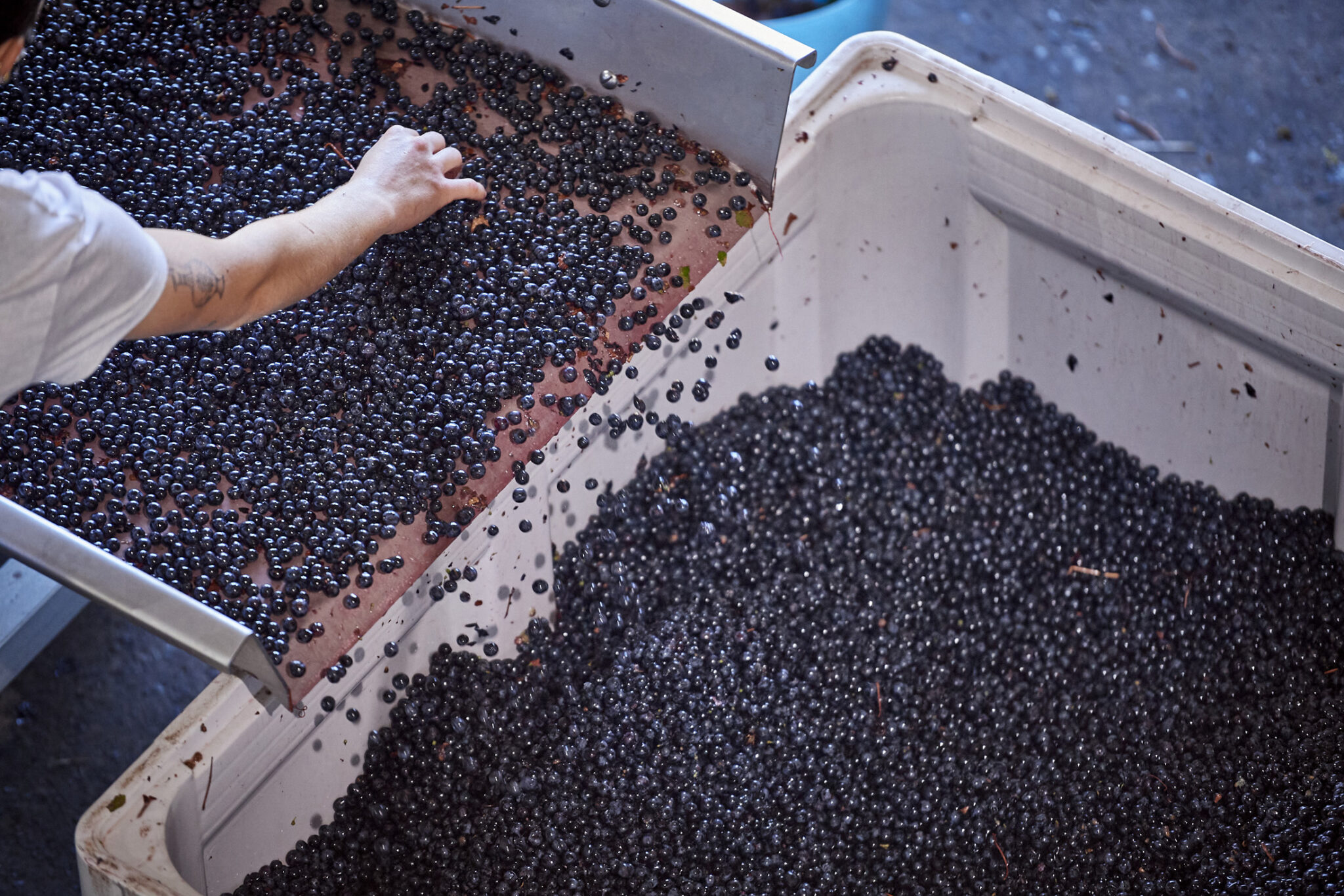
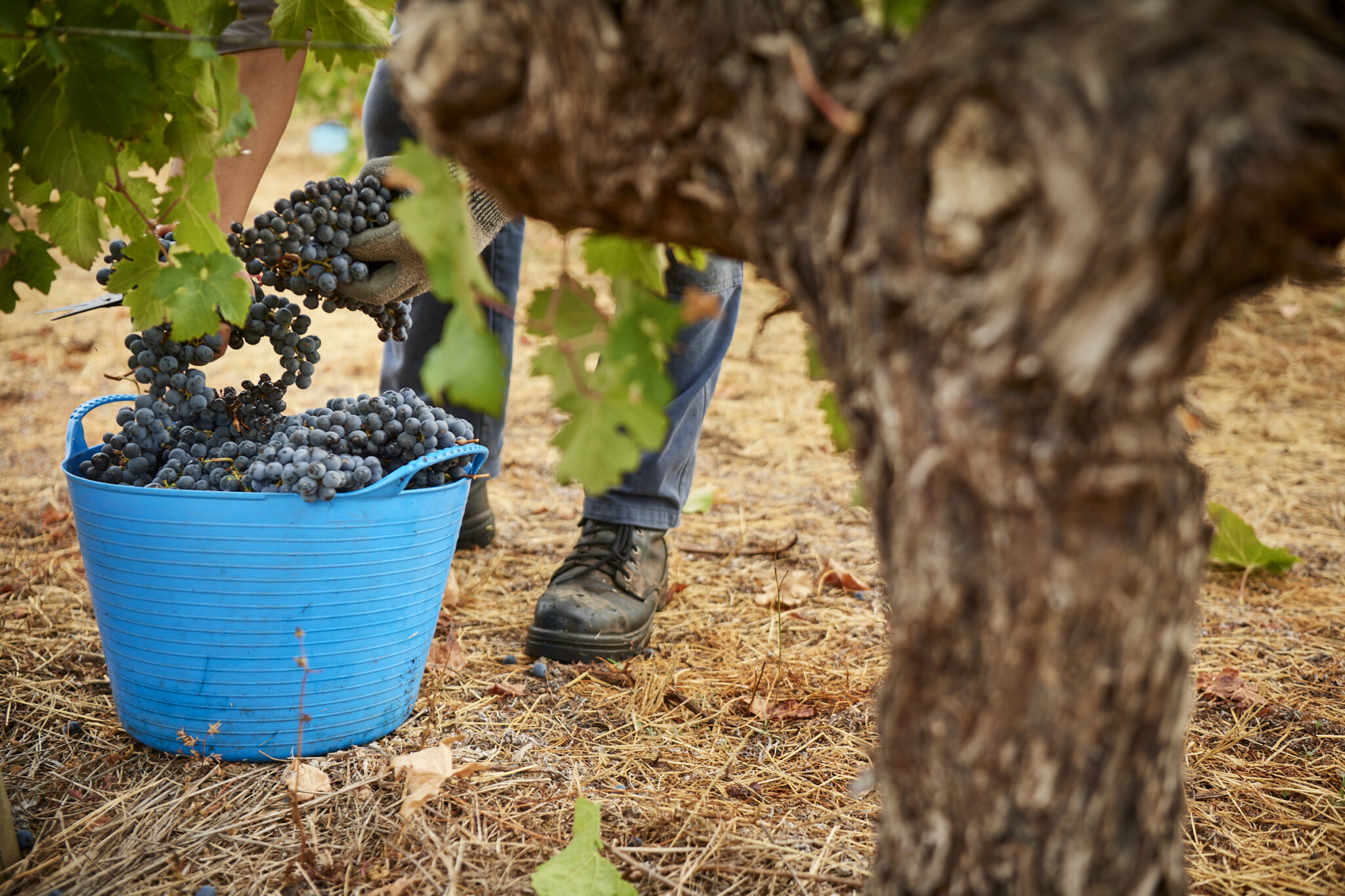
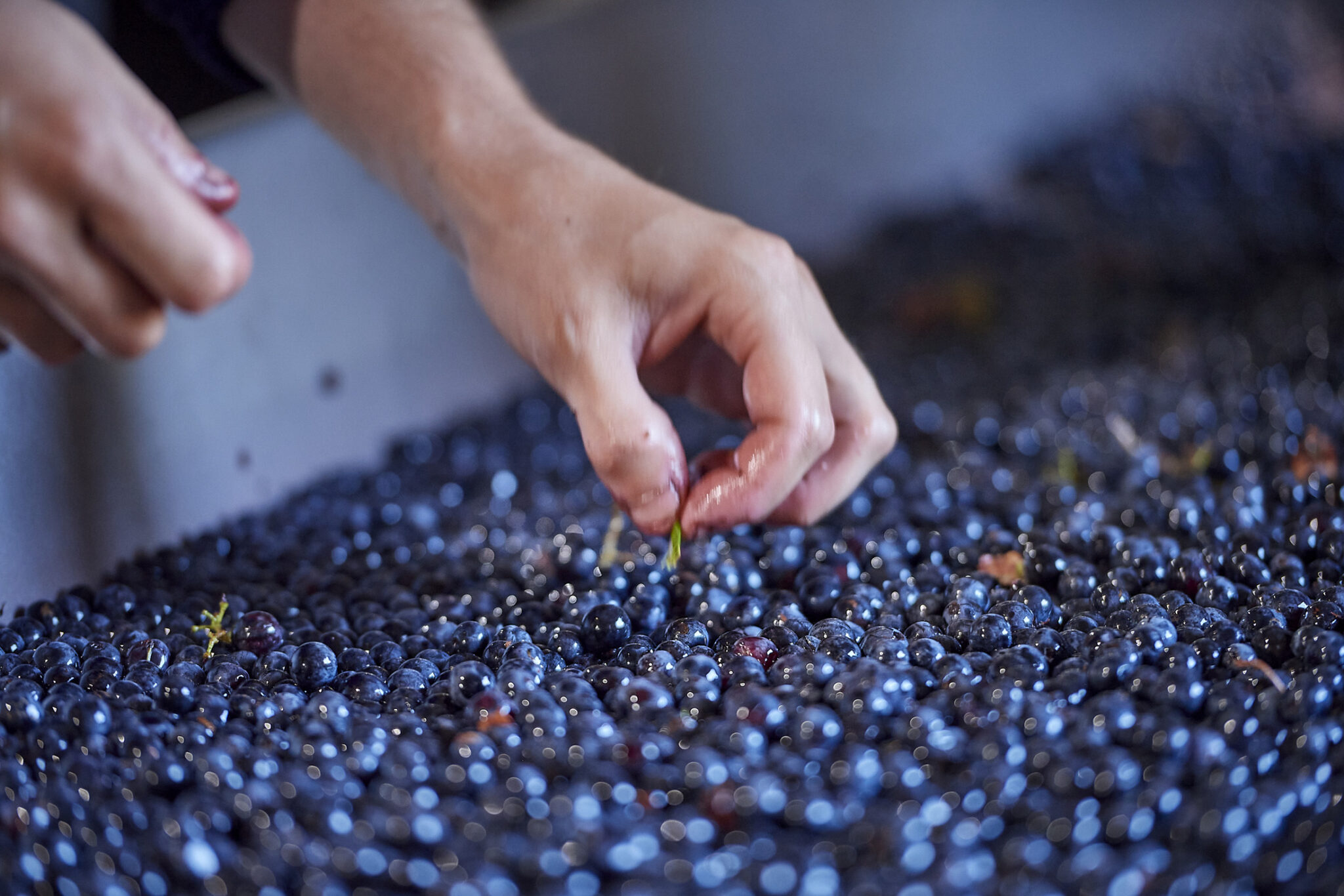
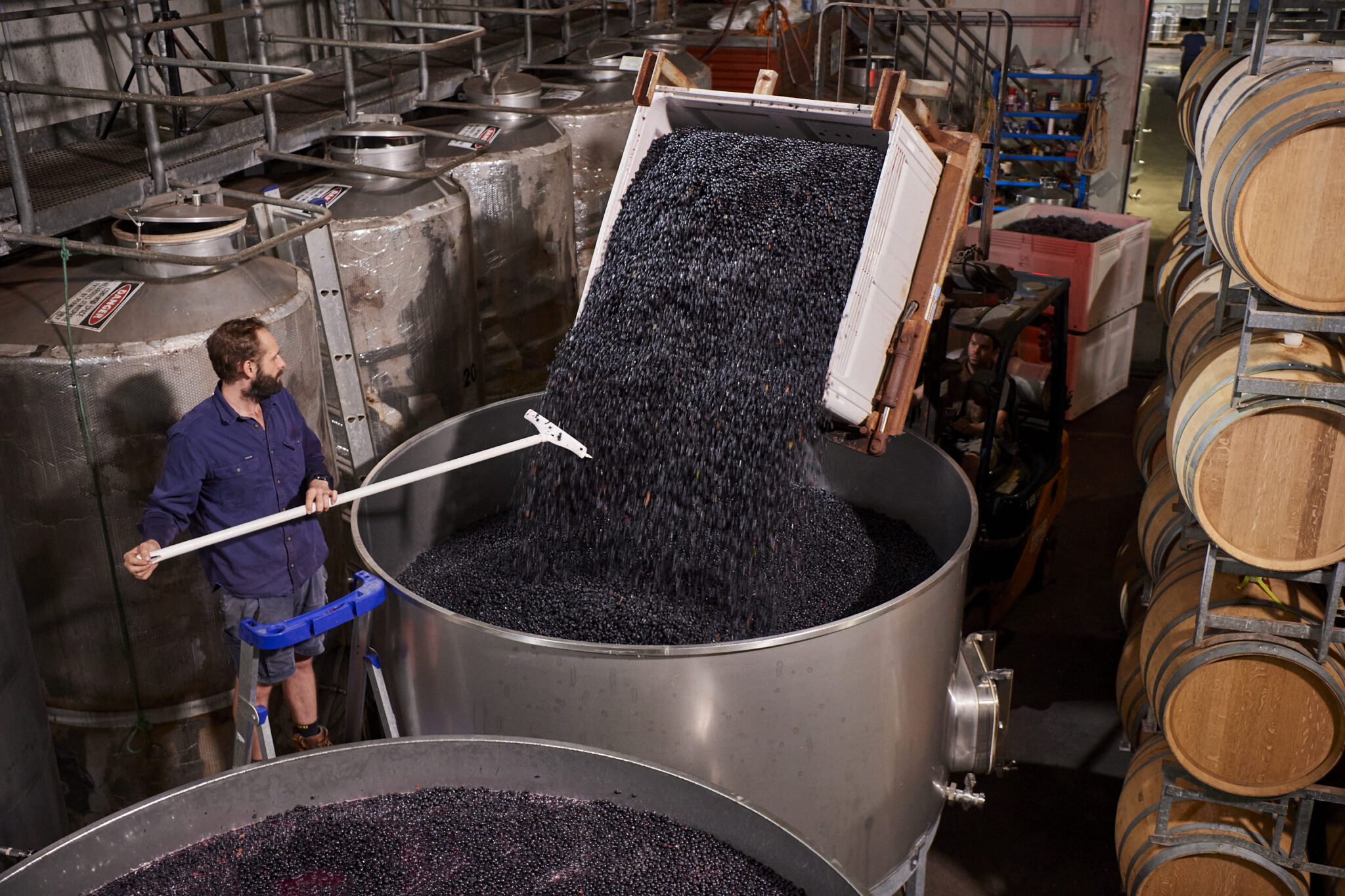
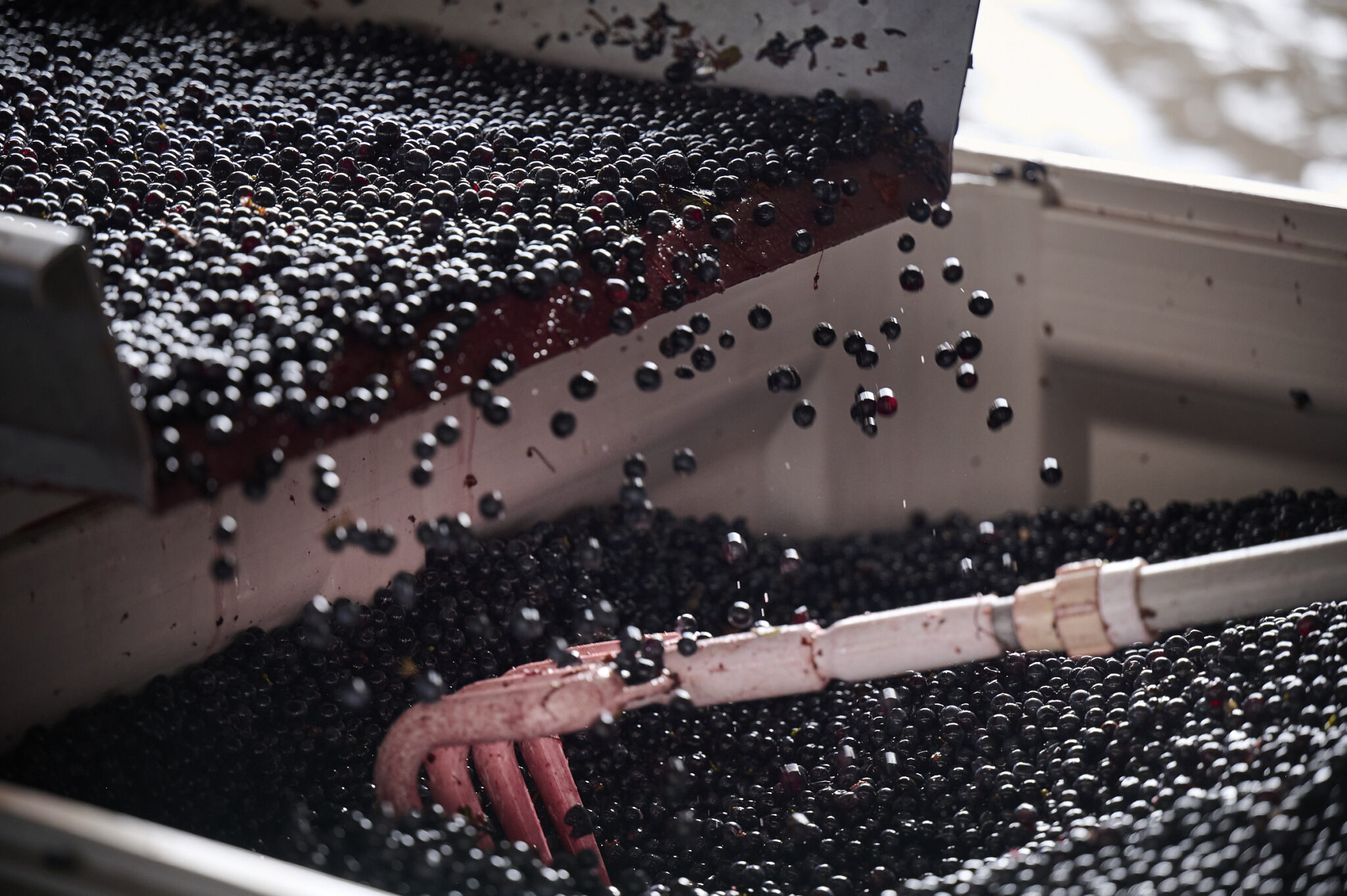
All fruit was hand harvested and delivered to the winery, where it was hand sorted and destemmed.
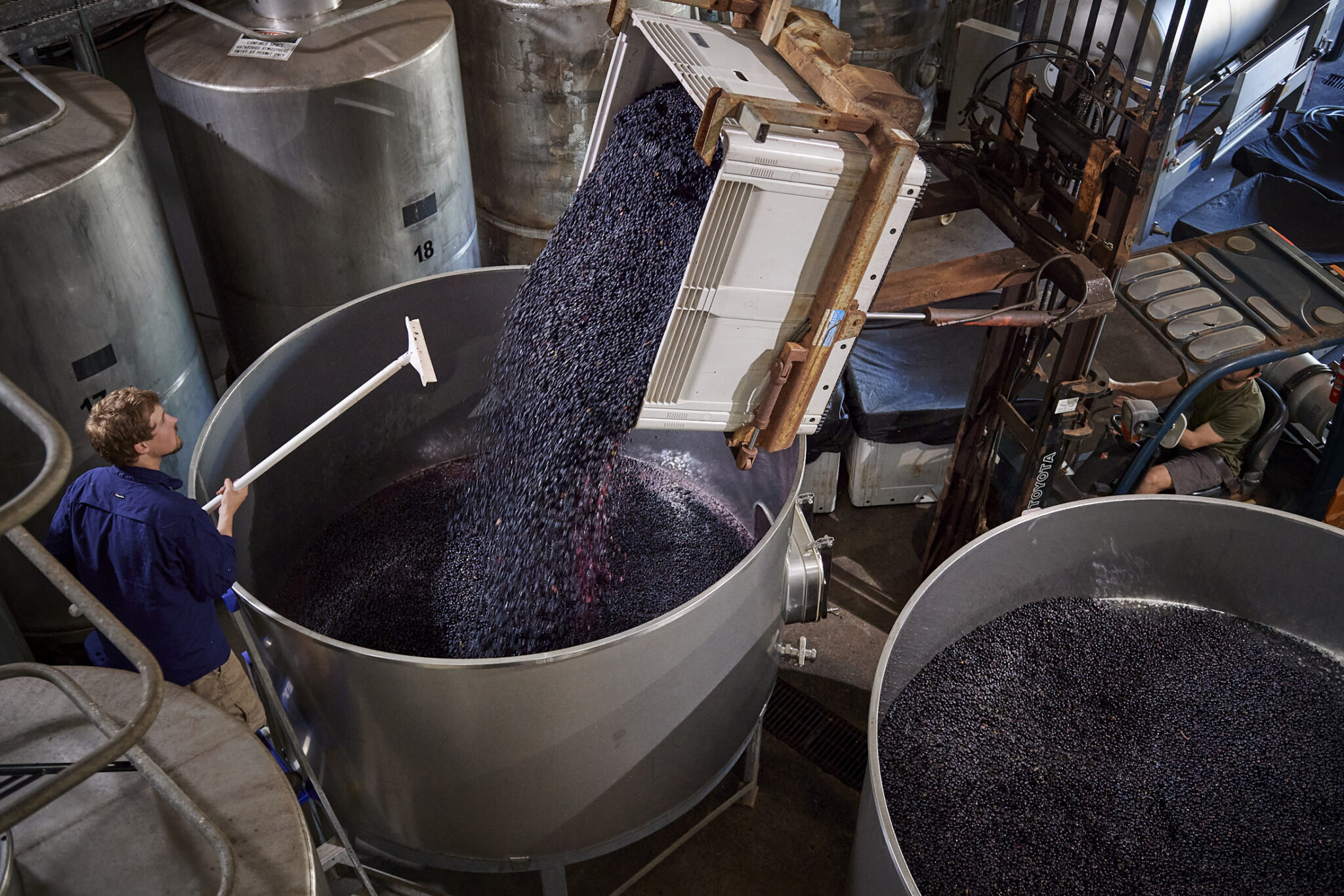
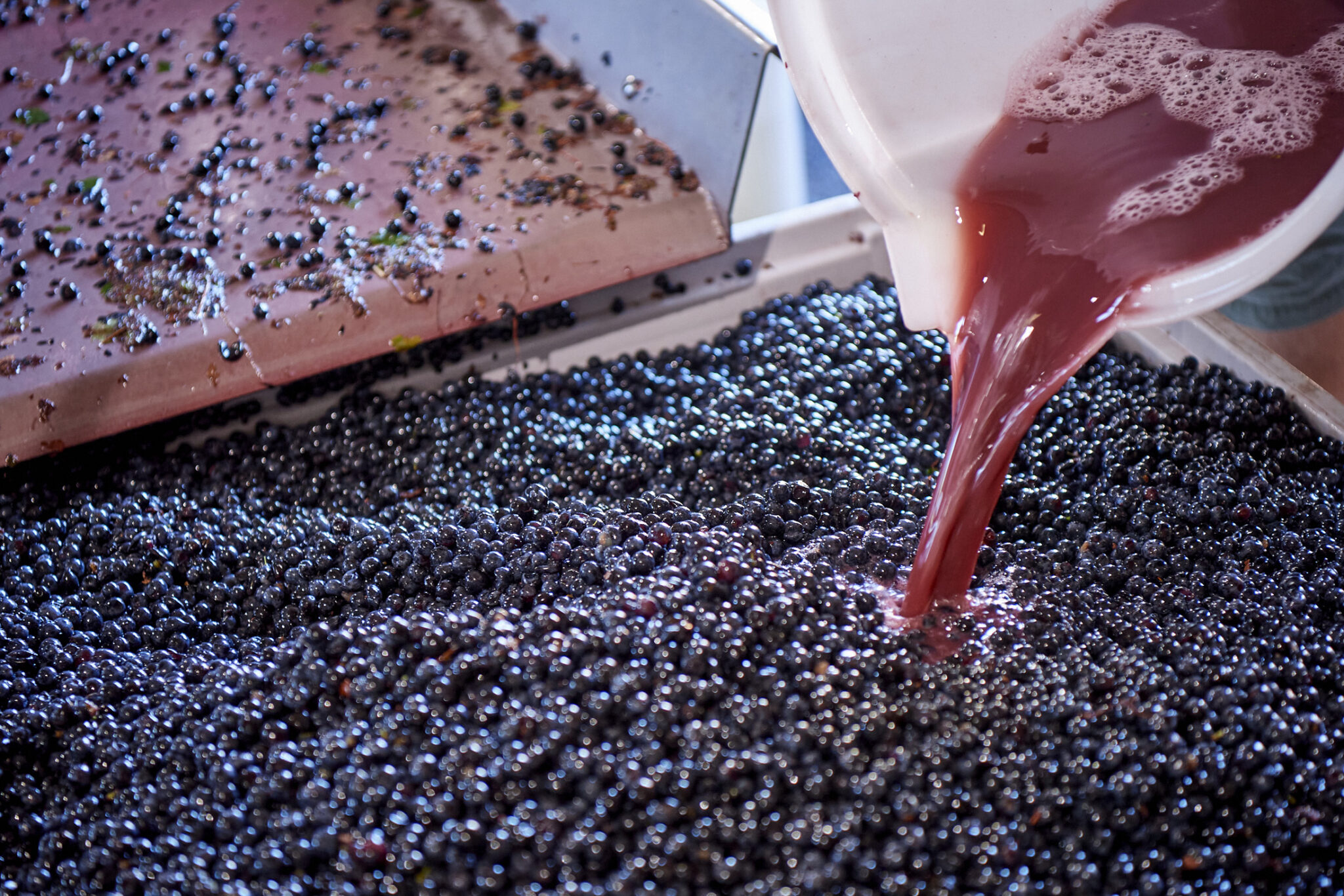
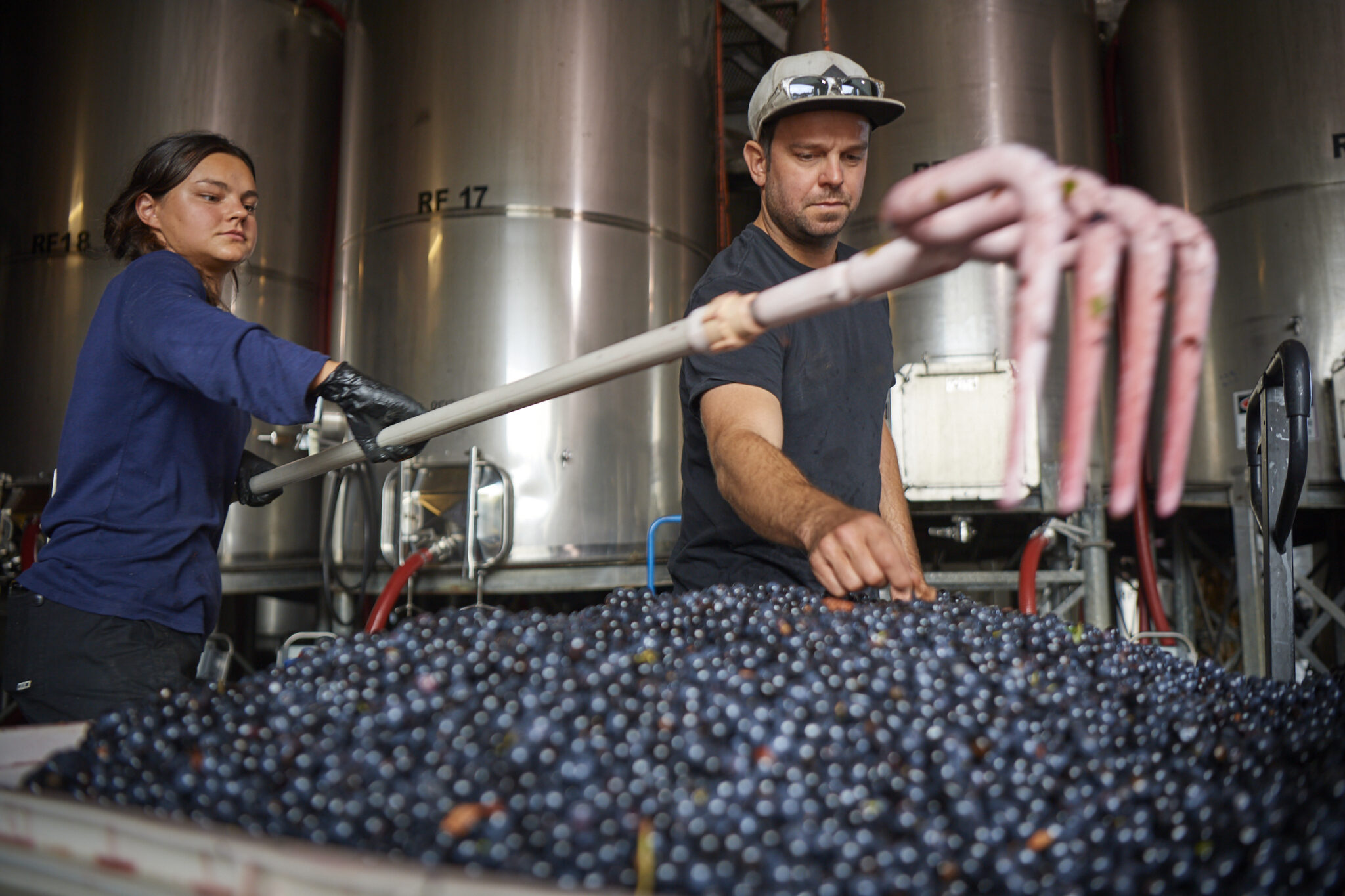
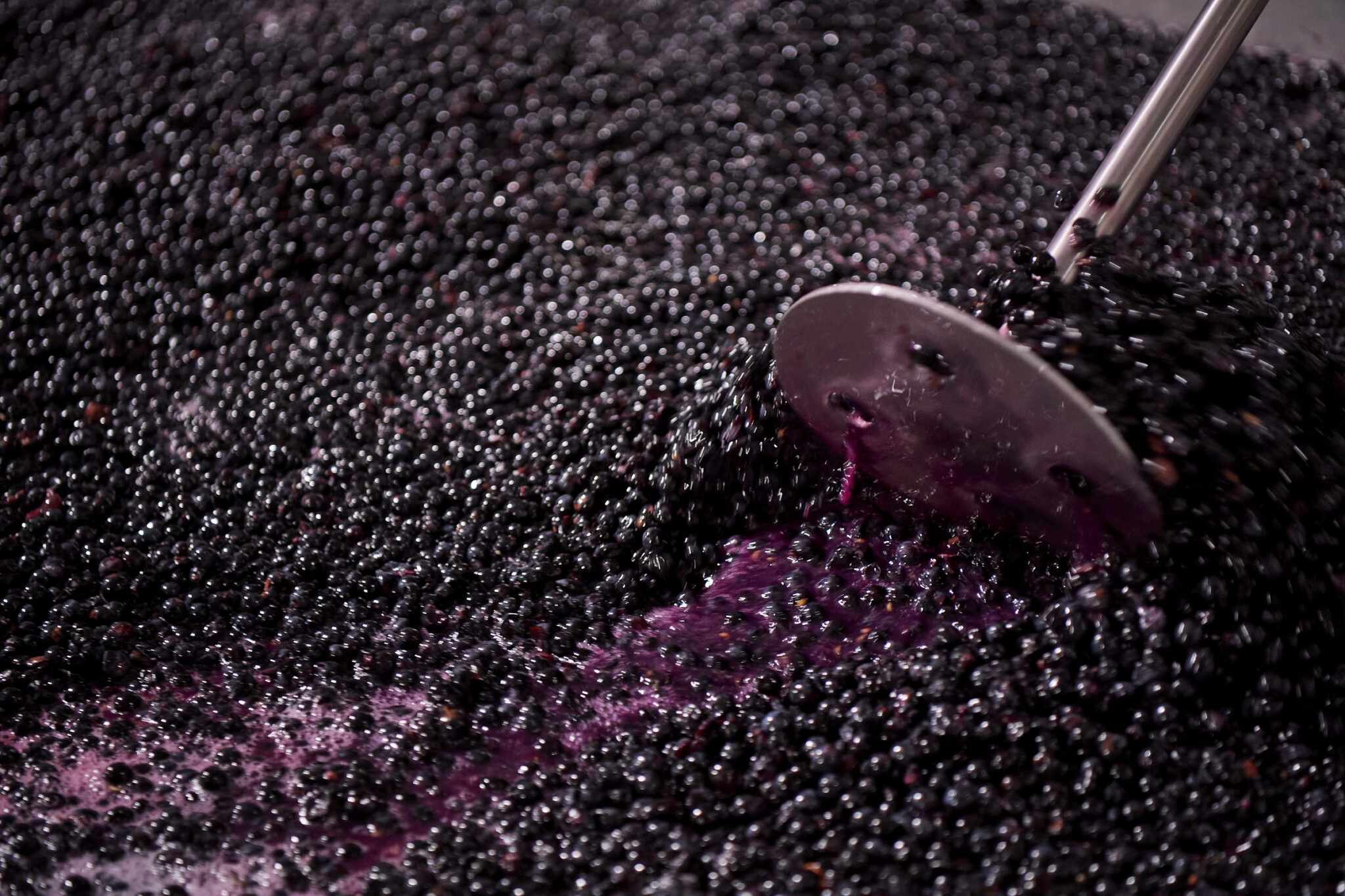
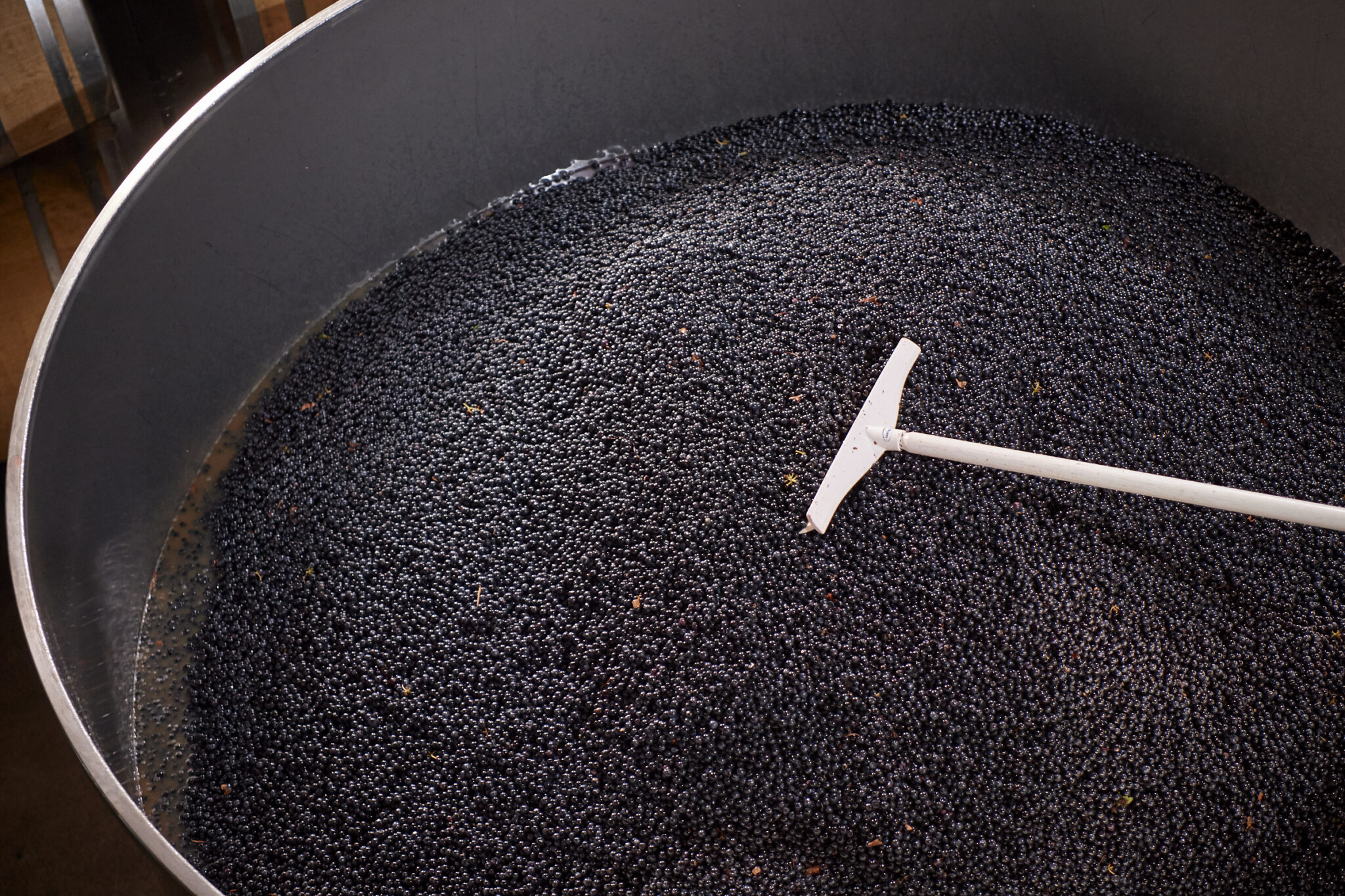
Each parcel was kept separate and fermented in small, open fermenters. Fermentations were carried out using multiple yeast strains to build complexity in the final wine. Fermentation temperature was managed to a maximum of 32°C and extraction was aided by hand plunging three times per day. Time on skins ranged from 13 to 16 days, depending on tannin development and balance.
After pressing, each batch underwent malolactic fermentation in stainless steel before being racked to oak for maturation.
The wine was matured in 228 litre French oak barriques, of which 15% were new. This level of new oak is consistent with previous vintages and is intended to support the wine’s structure without dominating the fruit.
Following maturation, the individual batches were assessed and blended to produce the final wine:
- 92% Cabernet Sauvignon
- 4% Cabernet Franc
- 4% Petit Verdot
Fining trials were carried out to assess tannin balance, but as is always the case with Moss Wood Cabernet Sauvignon, none were deemed to improve the wine. The finished wine was then sterile filtered and bottled on 5th November 2025.
Moss Wood 2023 Cabernet Sauvignon
Tasting Notes
Colour and Condition:
Deep brick red; bright condition.
Nose:
The wine opens with lifted fruit aromas of blueberry, blackberry and mulberry as the dominant characters. There is also some red fruit in the background but the highlight is in the pretty perfumes of violets and roses.
Behind this sits the usual range of secondary notes, that give Moss Wood its typical complexity, including tobacco, cedar and graphite. There are also some earthy characters, with leather and black olive notes evident. Oak is present but in support, contributing light toast and spice.
Palate:
The palate is full-bodied and follows the nose, with blackberry, cassis and blueberry flavours the main features, supported by darker notes of chocolate and spice, giving a generous length.
The tannins are firm but fine, with the classic Moss Wood balance. The good acidity gives the wine freshness, keeping the fruit bright while oak sits comfortably in the background and doesn’t dominate. It truly shows its pedigree as one of our great Cabernet Sauvignon vintages.
CELLARING
Reflecting on the 50 year evolution and our reputation for wines of great balance, we are pleased to note that like all the classic Moss Woods, the 2023 is notable for its enjoyable early drinking with generous primary fruit notes and well-balanced tannins.
Over the first decade, these will soften and integrate as the wine begins to develop its classic bottle age complex notes, including cedar, earth and tar. We then anticipate it will enter its peak drinking window after 2043 and will remain so till at least 2063.
| Wine Facts | |
|---|---|
| Median Harvest Date | Cabernet Sauvignon 9/04/2023 Cabernet Franc 31/03/2023 Petit Verdot 05/04/2023 |
| Mean Harvest Ripeness | Cabernet Sauvignon 13.0° Be Cabernet Franc 13.0° Be Petit Verdot 13.5° Be |
| Yield | Cabernet Sauvignon 8.61 t/ha Cabernet Franc 5.05 t/ha Petit Verdot 3.93 t/ha |
| Days Elapsed between Flowering to Harvest | Cabernet Sauvignon 122 days Cabernet Franc 123 days Petit Verdot 120 days |
| Weather Data | Growing Season Average Temperature 19.9 Number of hours accrued between 18-28C: 1207hours Number of hours above 33C : 48 hours |
| Bottled | 5th November, 2025 |
| Blend | 92% Cabernet Sauvignon 4% Cabernet Franc 4% Petit Verdot |
| Alcohol | 14.0% |
| Released | 1st of May, 2026 |
2026 Vintage Crew
Josephine Adkins
In August 2025 we welcomed Josephine Adkins as a full-time, graduate winemaker to Moss Wood. Josie is from Launceston and graduated from the University of Tasmania with a Bachelor of Science. She also has a wine connection through her Mum and Dad, the owners of Westella Vineyard in the Tamar Valley, producing Pinot Noir for their “Tippogoree” red table wine, as well as blanc de noir and rosé sparkling wine.
While studying in Hobart, Josie worked at nearby Pooley Wines and this cemented her wine interest so she headed off to Adelaide University and completed her Graduate Diploma in Viticulture and Oenology. While there, she attended a tasting presented by the Mugford family, decided she liked what she saw and applied for our recently advertised role. The rest is history.
The move to Margaret River has suited her well. She notes the region is her new home and enjoys the place and the people. As someone keen on the outdoors, there’s plenty to do and, of course, the weather is much nicer than dear old “Lonnie.” She’s got stuck into her new job in a small, family vineyard and winery, describing the experience as “holistic” and appreciates the opportunity to participate from pruning to bottling. To her great credit Josie happily copes with the endless stream of barely-funny Tassie jokes delivered by her work colleagues and gives plenty of West Aussie jokes back in return.
Lewis Fitzpatrick
This year our vintage student from Adelaide University is Lewis Fitzpatrick, a Perth local with an interesting trajectory into wine. Lewis is a Chartered Accountant, with a Bachelor of Medical Science and a Major in Accounting, from the University of Western Australia, who worked as an Auditor at KPMG.
At first glance it might seem he’s not necessarily someone who’d be drawn to our industry. However, as part of his busy and legendary social life he tried enough wine to see it as not just another drink. As he tasted and read more widely it further captured his interest and led to a big decision – time to change career and move to Adelaide University for the Masters in Viticulture and Oenology.
Perhaps the wine thing may be in his genes? Lewis’s grandfather, Noel Fitzpatrick, was the WA Director General of Agriculture, who wasn’t just a bureaucrat. He also bought and ran a wheat and sheep farm in Esperance. More importantly from a wine perspective, during his time at the Department of Agriculture, Noel played a peripheral but important role for what would become the Margaret River wine industry by encouraging the late Dr John Gladstones to pursue his analysis of this region and its suitability for wine production.
Returning to Lewis, the new career seems to suit him perfectly. The study is hardly a chore, especially after being an Auditor, and the vineyard and winery work has been an opportunity to see the practical application of the learnings. He’s enjoying his time at Moss Wood and likes the fact we’re something of a window into history, with our traditional techniques like red wine ferments in small, open tanks. When asked if he enjoys living in Margaret River, he laughs and gives the classic Perth response – he feels like he’s on holidays!
Cassandre Copin
It seems that 2026 is Moss Wood’s Champagne vintage, with two graduates from this distinguished region.
First up we have Cassandre Copin, a fourth-generation family member from Champagne Copin Cautel, at Vandières in the Marne Valley, where her family farms 7 hectares. She is very well qualified, having completed a Bachelor in Agro-resources Transformation and Valorisation at the University of Reims and then a Masters in Management – Operational Direction, Quality, Safety and Environment at EM Normandie Business School and CESI Ecole d’Ingénieurs. She then worked as an intern at Veuve Clicquot and Champagne Sanger.
Cassandre loves being in Margaret River and describes it as really “cool.” Living at the Gracetown Caravan Park in a converted school bus has been fun and she’s found the local people very friendly. The job at Moss Wood has worked out just as she hoped, with much valuable learning and she also enjoys the company of her workmates. After vintage is finished, Cass is off around Australia doing a lap that will finish in Cairns and can’t wait to get started.
Thais Gas
Also originally from Reims and now from Montpellier in the south of France, we have Thais Gas. Thais and Cassandre are best mates and have been through their secondary and tertiary schooling together, meaning Thais holds the same Bachelor and Masters degrees. She has worked in pharmacology but her dream job is to pursue this in the wine industry and is especially keen on working in compliance for organic wine and understands the importance for consumers.
When asked about her time in Margaret River, Thais’s face lights up with a smile. She has really enjoyed the region, describes it as “cute”, finds the people very friendly and loves the restaurants, which is quite a compliment coming from a Francaise! The one local pursuit we’ve been unable to convince her to try is surfing. Apparently we have too many sharks!
Miguel Santos
Miguel Santos is a Portuguese Luxembourger and the first person from either country to work at Moss Wood. A thoughtful fellow, who speaks 6 languages, Miguel trained in Law Enforcement straight from school at 17, with the aim of becoming a Detective. Over time, it became clear that he may have made the wrong choice of job, noting that much of the role involves delivering bad news to others.
While attending his brother’s birthday party, he stumbled on the fact his father collected wine, has a small cellar and from which Miguel tasted two memorable bottles, a Domaine de la Juchepie from the Loire Valley and a Méo-Camuzet Bourgogne Rouge. This inspired him to learn more.
Having joined the Police before completing secondary school, he wanted to broaden his education so applied for and completed the Diplôme d’accès aux études universitaires, with a Major in Literature, another favourite subject at the University of Lorraine in Nancy. From there, he then completed an Associate’s degree in Viticulture and Oenology at the Centre de Formations pour Apprentis in Beaune. Now finally underway in wine industry he has since worked the vintage at Domaine Coche (2023) in Meursault, Domaine Tortochot (2024) in Gevrey Chambertin and Copper Mountain Vineyards (2025) in Oregon. He is very keen to have his own vineyard and winery in his native Portugal and grow the local variety, Baga, with the intention to make similar wine to Nebbiolo, in the Bairrada region.
He describes his time in Margaret River as “eye-opening” because the wines are of such a high standard but are largely unknown in Luxembourg. Miguel has enjoyed the work and in what is becoming a common theme, has found the local people really friendly. His only complaint is with our native fauna, or more particularly, the kangaroos, one large one of which forced him off the road and into a ditch. Luckily the damage was minimal, to both car and pride.
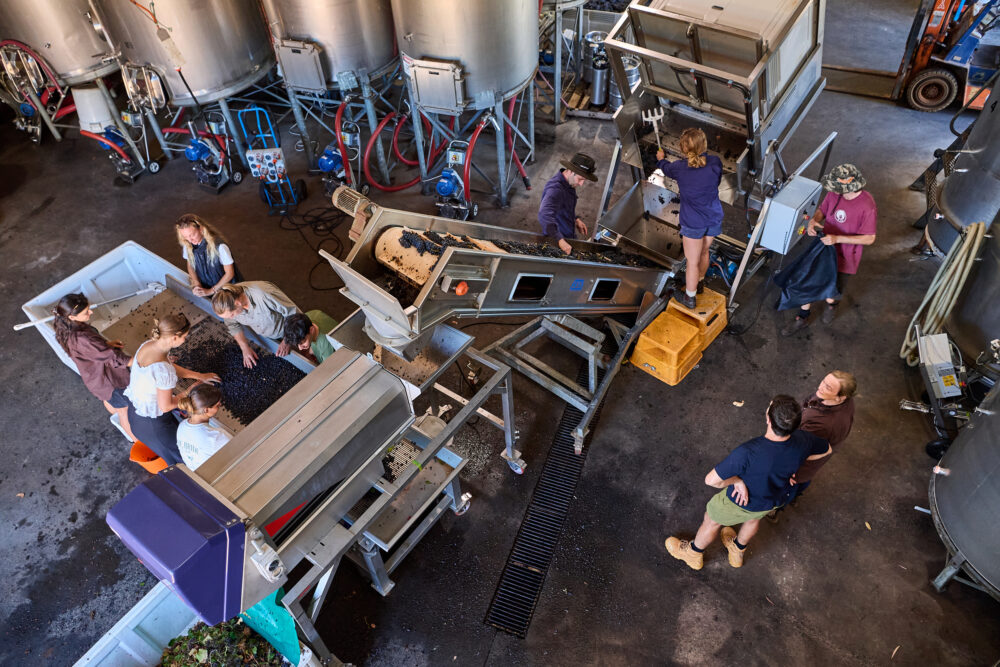
Vintage 2026 Update
The 2025–26 growing season progressed in a steady and relatively uneventful manner through the early and middle stages. Conditions were generally warm and dry, allowing flavour development to move forward without interruption.
We commenced harvest in late February with Pinot Noir, picked on 24th February, essentially right on its long-term median date of 23rd February. Chardonnay followed shortly after and came off on 1st March, exactly in line with its long-term average. Both varieties showed excellent flavour and balance at harvest, and yields across the whites were solid - a pleasing result for an unirrigated, old vineyard.
Through this period, the vineyard remained in excellent condition and sampling indicated that both sugar accumulation and flavour development were well aligned. In many respects, the season felt reminiscent of some of our more classical years, particularly 2001 and 2018, where moderate temperatures and a long, even ripening period allowed the fruit to develop gradually without pressure from heat.
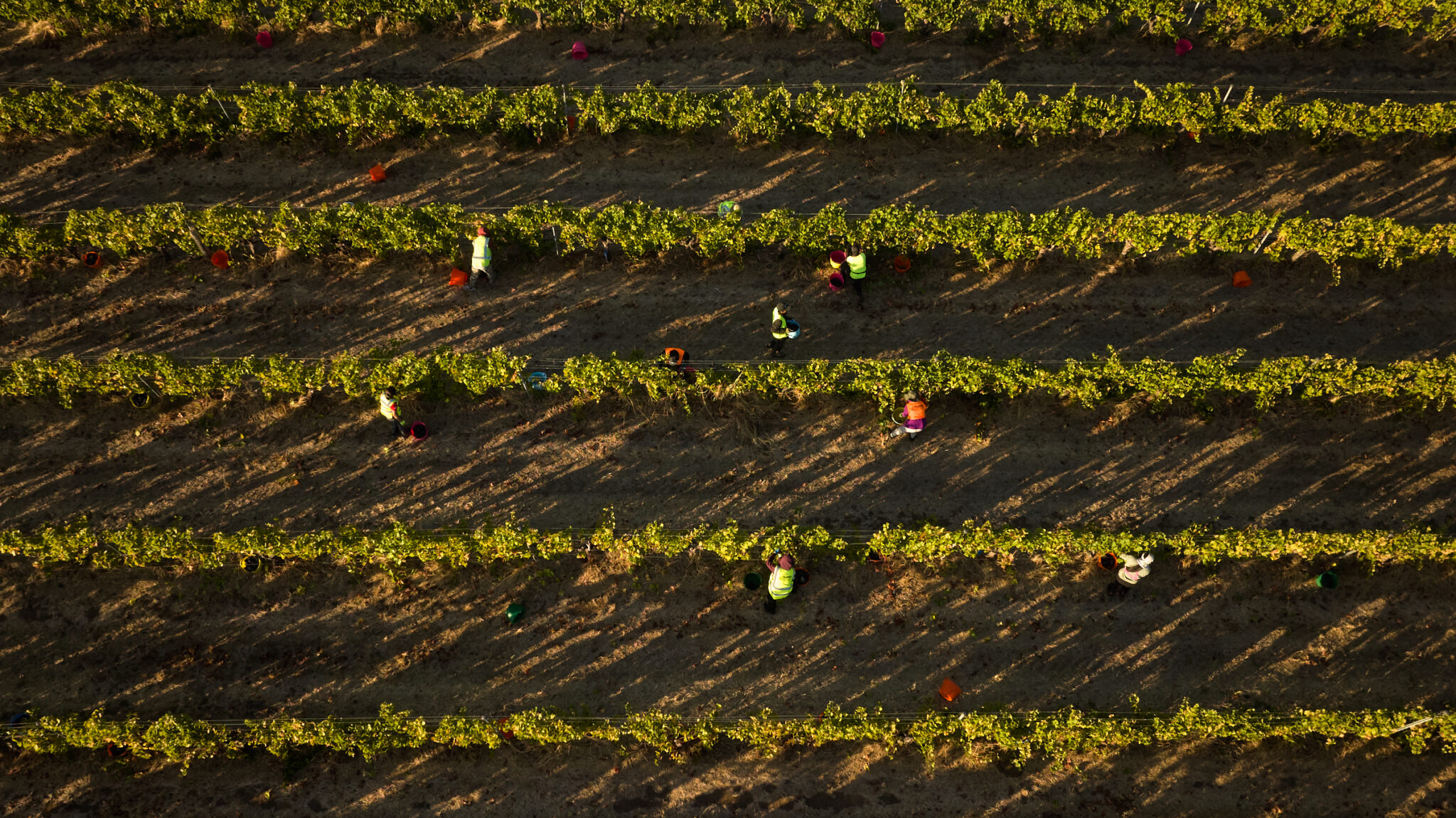
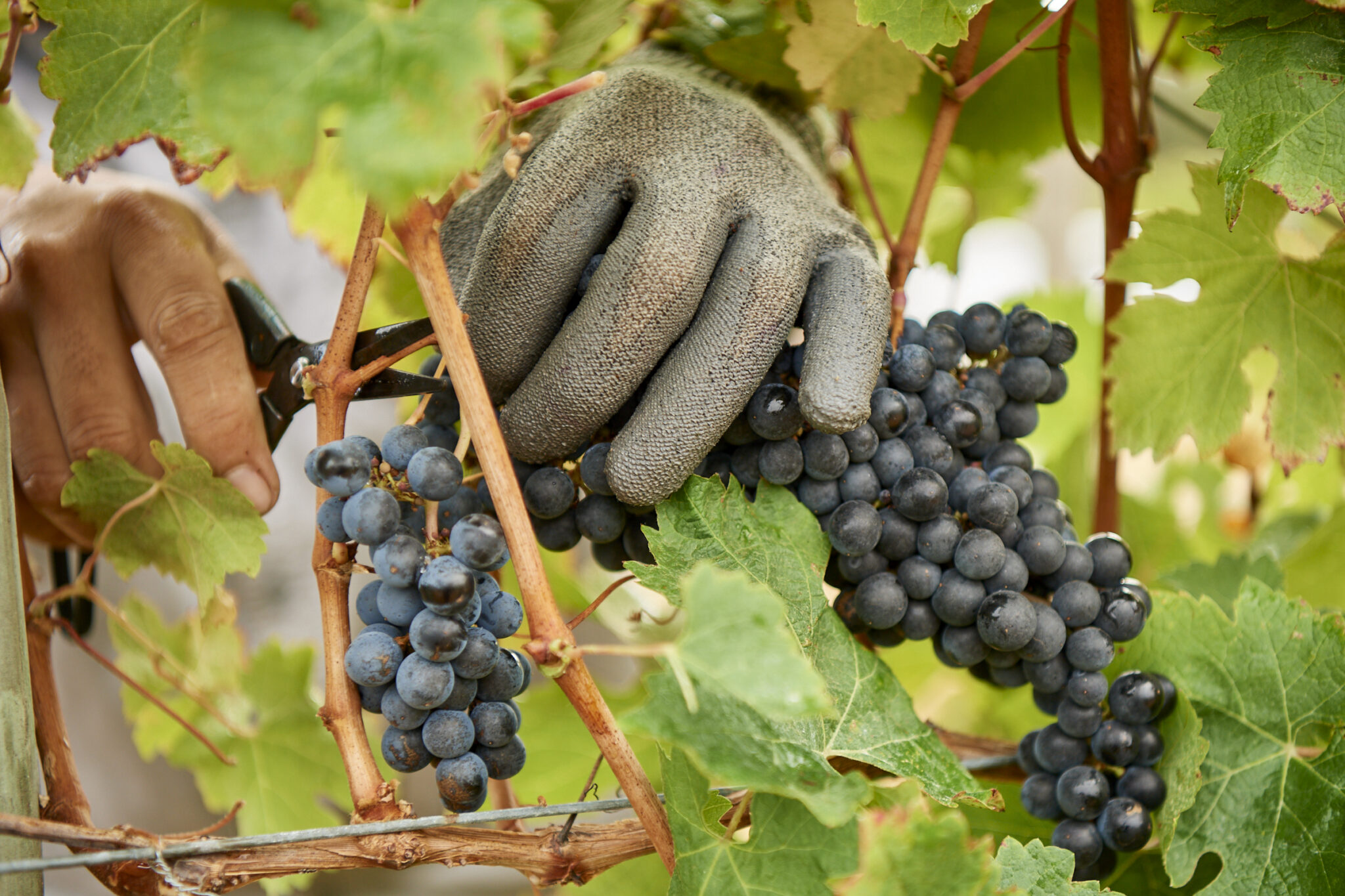
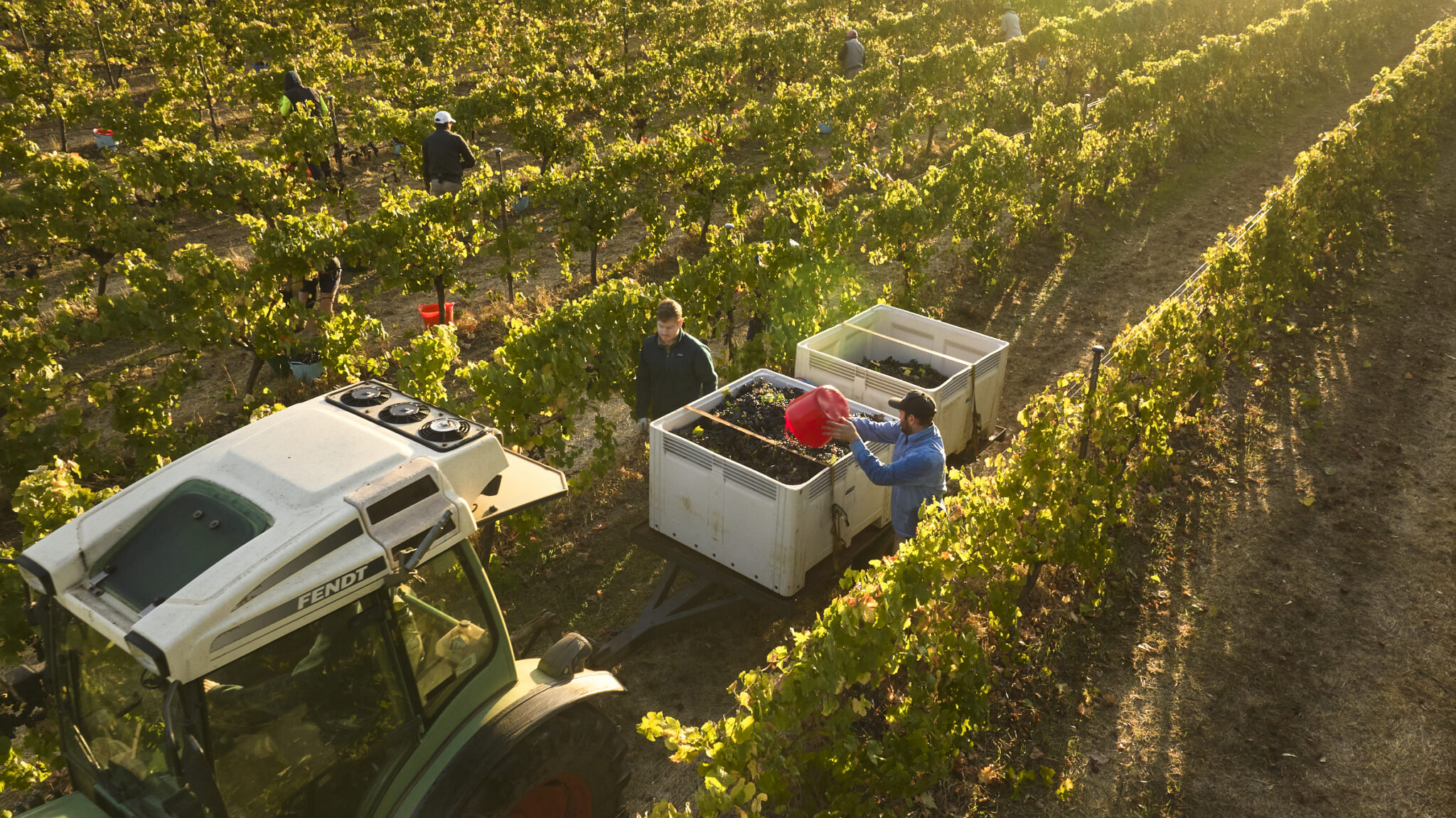
As we moved into March, it became clear that Cabernet Sauvignon was tracking toward a slightly later harvest, benefiting from the extended ripening period. The defining moment of the vintage came late in the season, with forecasts of a significant rainfall event associated with an ex-cyclone system. With fruit approaching optimal ripeness, the decision was made that everything had to come off.
Cabernet Sauvignon was harvested over a compressed period in late March, with a median harvest date of 27th March, slightly earlier than the long-term average of 1st April. What would normally be spread across multiple picks was completed in just a few days, with yields again solid across all blocks.
© FRANCES ANDRIJICH
© BEN DELFS
Order
OUR WINES:
Contact
MOSS WOOD:
Location: 926 Metricup Road, Wilyabrup WA
Postal: PO Box 225, Cowaramup WA 6284
Phone: +61 8 9755 6266
Fax: +61 8 9755 6303
Follow us on
SOCIAL MEDIA: