
Moss Wood Newsletter
Spring News Issue # 131 September 2026
Moss Wood 2025 Chardonnay
Moss Wood 2024 Pinot Noir
Moss WOOD 2025 AUTREMENT PINOT NOIR
Moss Wood 2025 Chardonnay

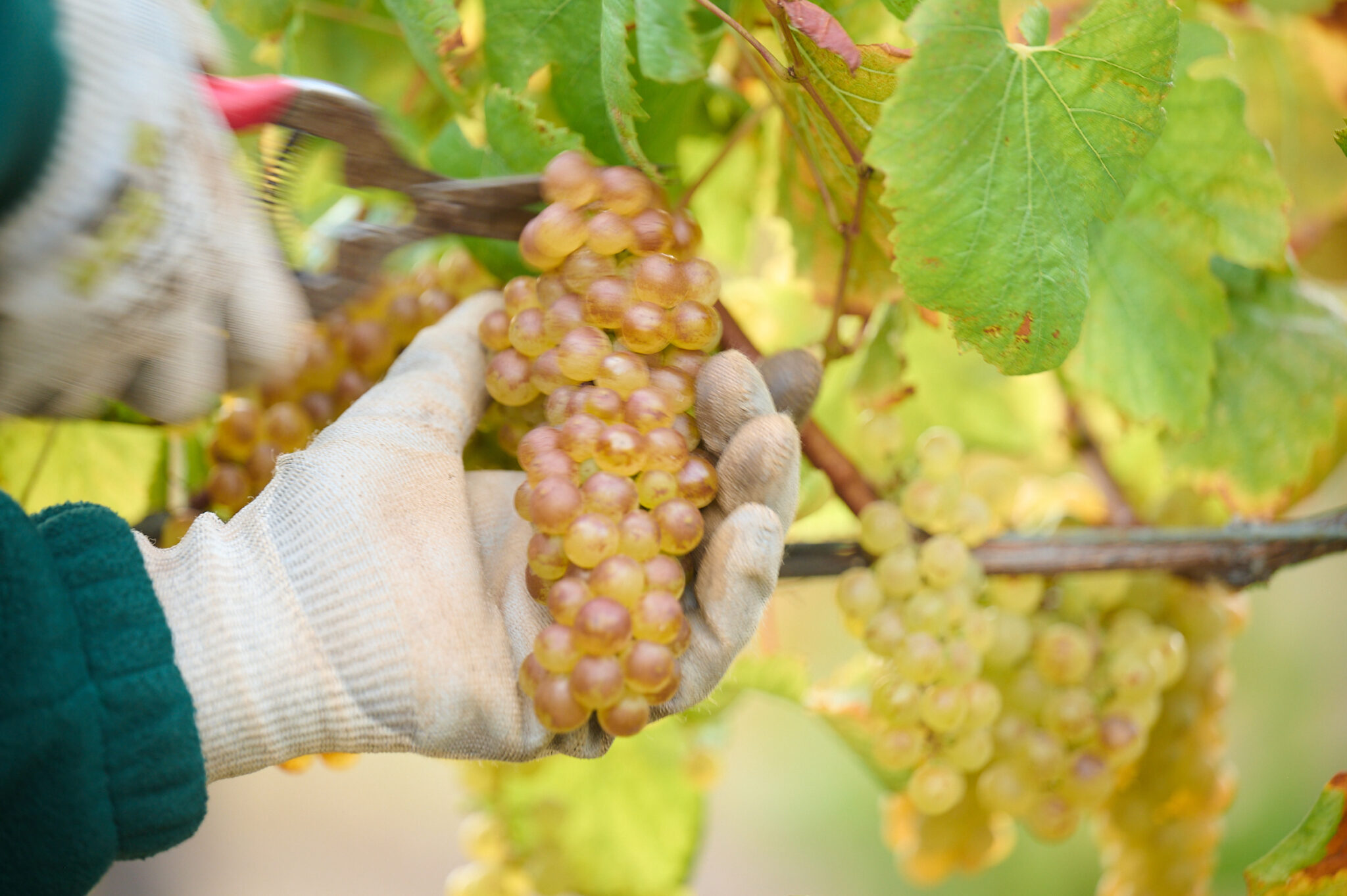
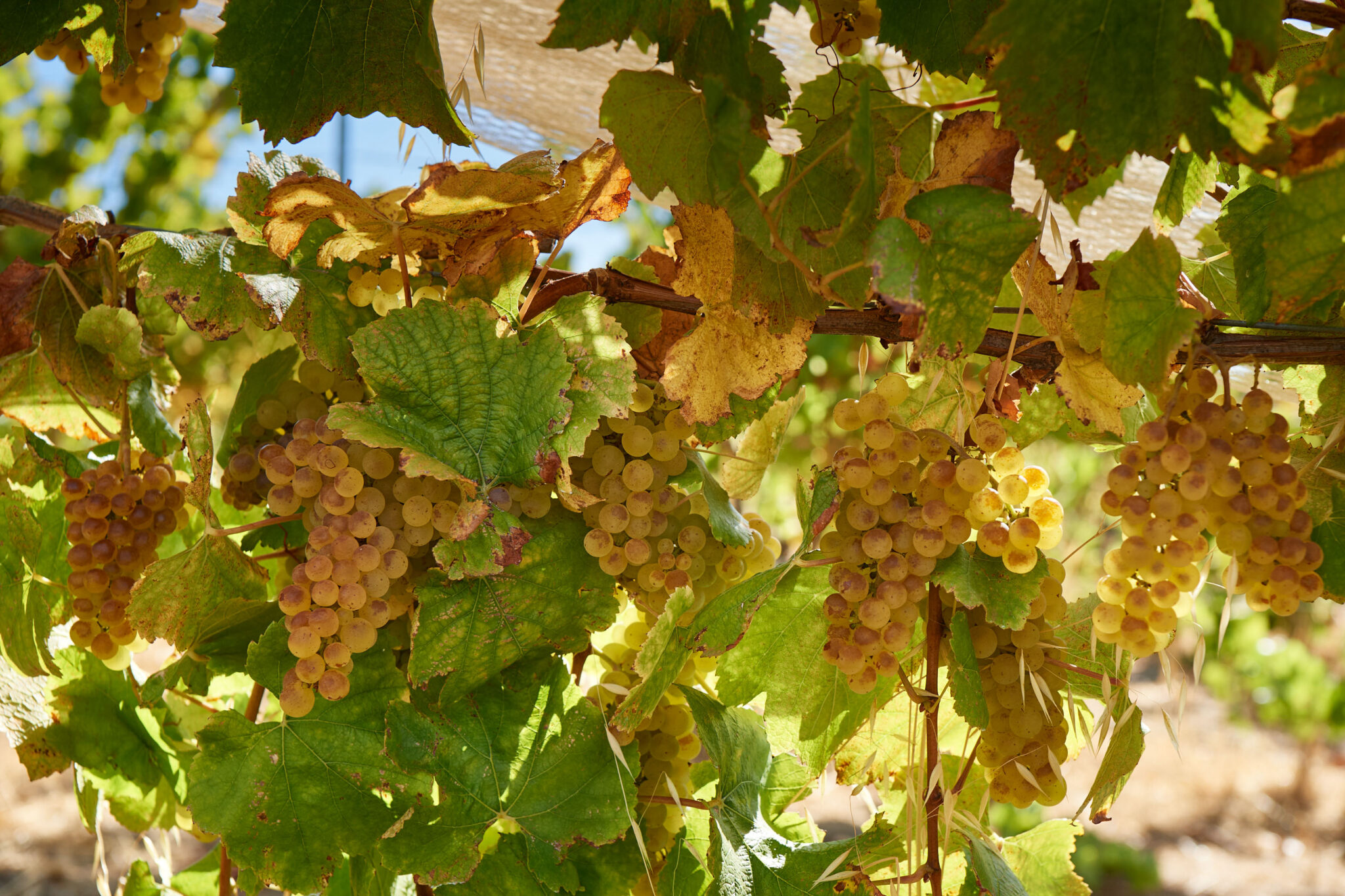
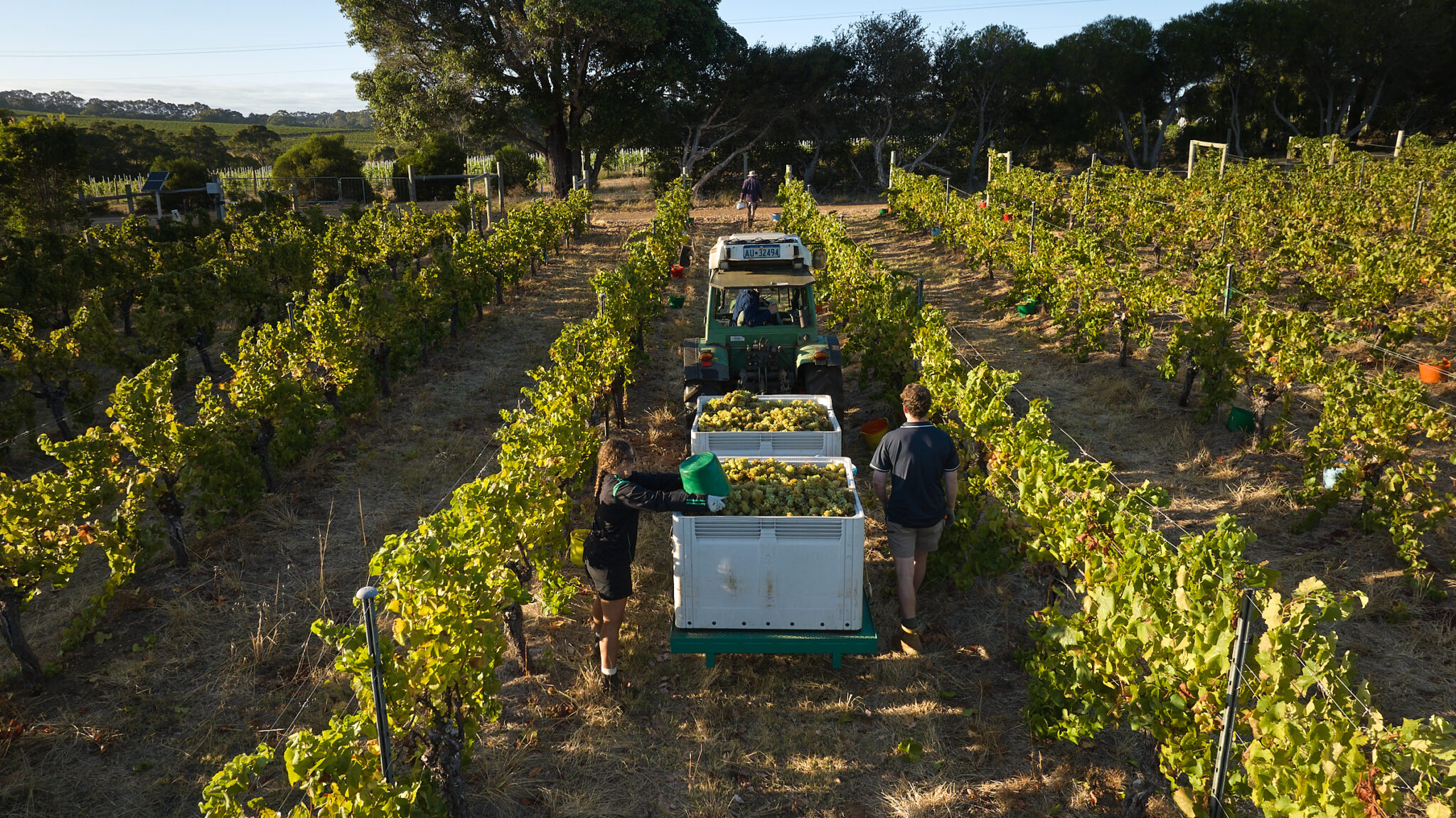
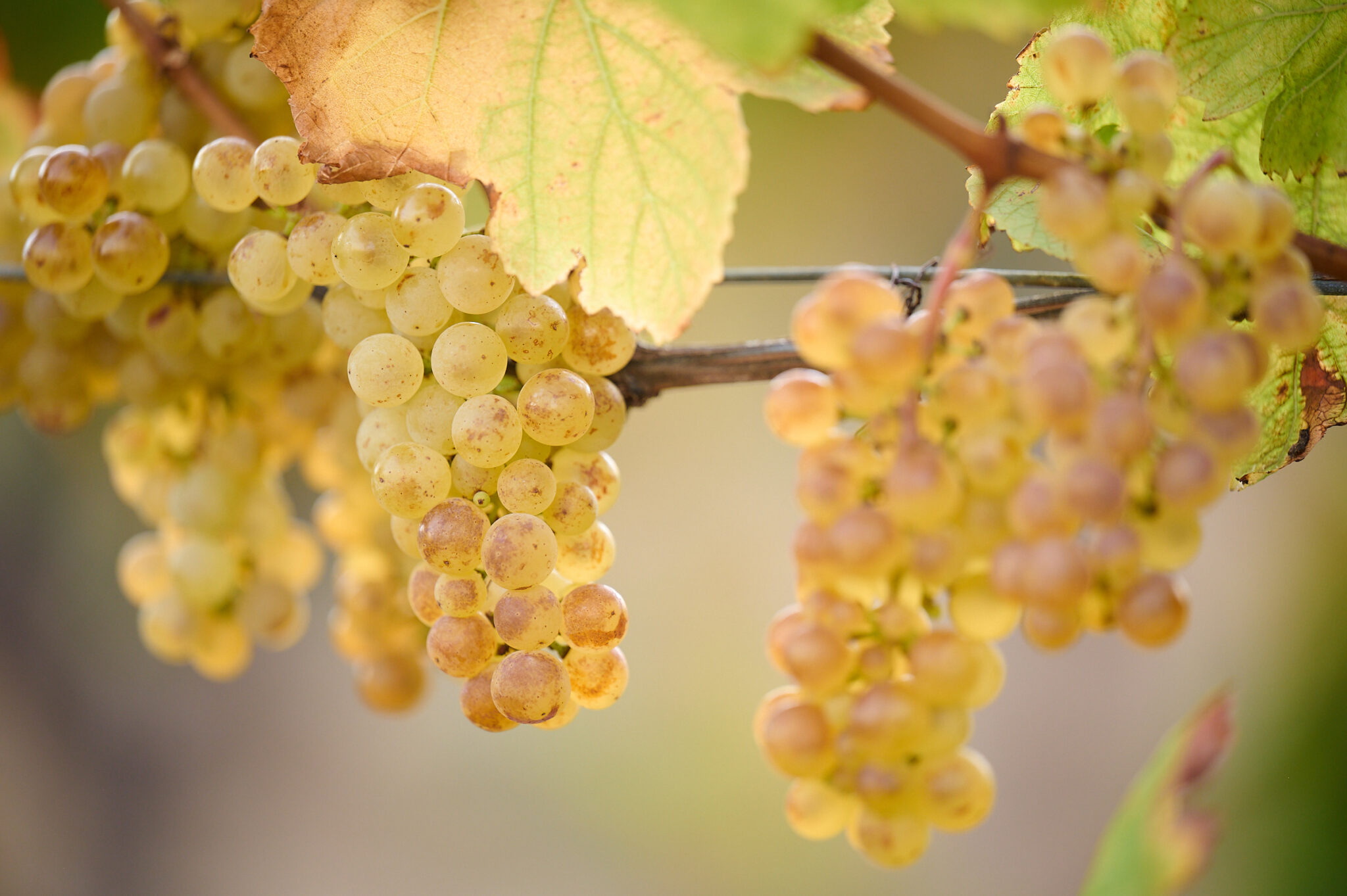
Chardonnay has been part of Moss Wood for almost as long as the vineyard itself. In 1976, Moss Wood and Leeuwin Estate became the first vineyards to plant Chardonnay in Margaret River, helping establish a variety that would go on to become one of the region’s great strengths. Our first Chardonnay was made in 1980 and, after the difficult seasons of 1981 and 1982, it has been produced every year since 1983 from those original vines. The 2025 is our 44th overall release and 43rd consecutive vintage, continuing a story that will soon span half a century.
VINTAGE NOTES
After the early and dry 2024 season, 2025 saw a return to a more typical growing cycle. In many respects, the season reminded us of 2010, when consistent warmth, good water availability and an absence of prolonged extreme heat allowed Chardonnay to progress steadily through ripening and reach maturity around the beginning of March.
Rainfall provided an excellent foundation for the season. Calendar year 2024 delivered 1,176mm, around 16% above the long-term average of 1,018mm, ensuring our dry-grown Chardonnay vines entered the growing season with good reserves of soil moisture. A further 52.4mm fell between flowering and harvest, a marked contrast to the exceptionally dry finish of the previous season. For these old, unirrigated vines, the availability of water meant they were able to progress through summer without undue stress.
Flowering conditions were somewhat mixed. Rainfall was favourable, with 34mm recorded during this crucial period. Temperatures were slightly less accommodating, with 13 days below 8°C and the lowest temperature of 3.9°C recorded on 7th November. Interestingly, these conditions were remarkably similar to 2022, when we recorded 43mm of rain, 12 days below 8°C and a minimum of 3.8°C during flowering. In that season, the cold conditions appeared to have some impact on fruit set and bunch weights, and we suspect something similar occurred in 2025.
Once flowering was complete, conditions settled into a warm and generally favourable pattern. The average temperature for Chardonnay was 20.53°C, slightly above the long-term average of 19.7°C. The vines accumulated 1,099 hours between 18–28°C, almost exactly in line with the long-term average of 1,092 hours and comfortably above the 1,000 hours we consider a desirable minimum. There were 54 hours above 33°C, only slightly above the long-term average of 47 hours. In other words, 2025 provided plenty of warmth for ripening without exposing the vines to excessive heat.
Chardonnay took 117 days from flowering to harvest, exactly matching the long-term average. The median harvest date was 3rd March, almost precisely the long-term median of 2nd March, and the fruit reached 13.2° Baume, virtually identical to the long-term average of 13.1° Baume.
There were similarities here with the 2010 vintage. That season also progressed steadily through a largely normal ripening cycle, with Chardonnay harvested on 1st March at 13.1° Baume. The 2025 season was somewhat warmer, but in both years the vines were able to reach full maturity at a measured pace rather than through accelerated sugar accumulation.
Yield finished at 5.03 tonnes per hectare. This is around 24% below the long-term average of 6.6 t/ha, although only modestly below the levels we have seen over the past decade as the vineyard has aged. We believe vine age remains the major reason for this gradual reduction in productivity, with the cold conditions during flowering likely contributing to the slightly reduced crop in 2025. Importantly, water stress does not appear to have been a significant factor.
Overall, 2025 was a warm but balanced season, with good water availability, limited extreme heat and a growing cycle that was remarkably close to the long-term norm. The combination allowed our old Chardonnay vines to ripen steadily, reaching full flavour at moderate sugar levels and delivering a healthy crop in excellent condition.
PRODUCTION NOTES
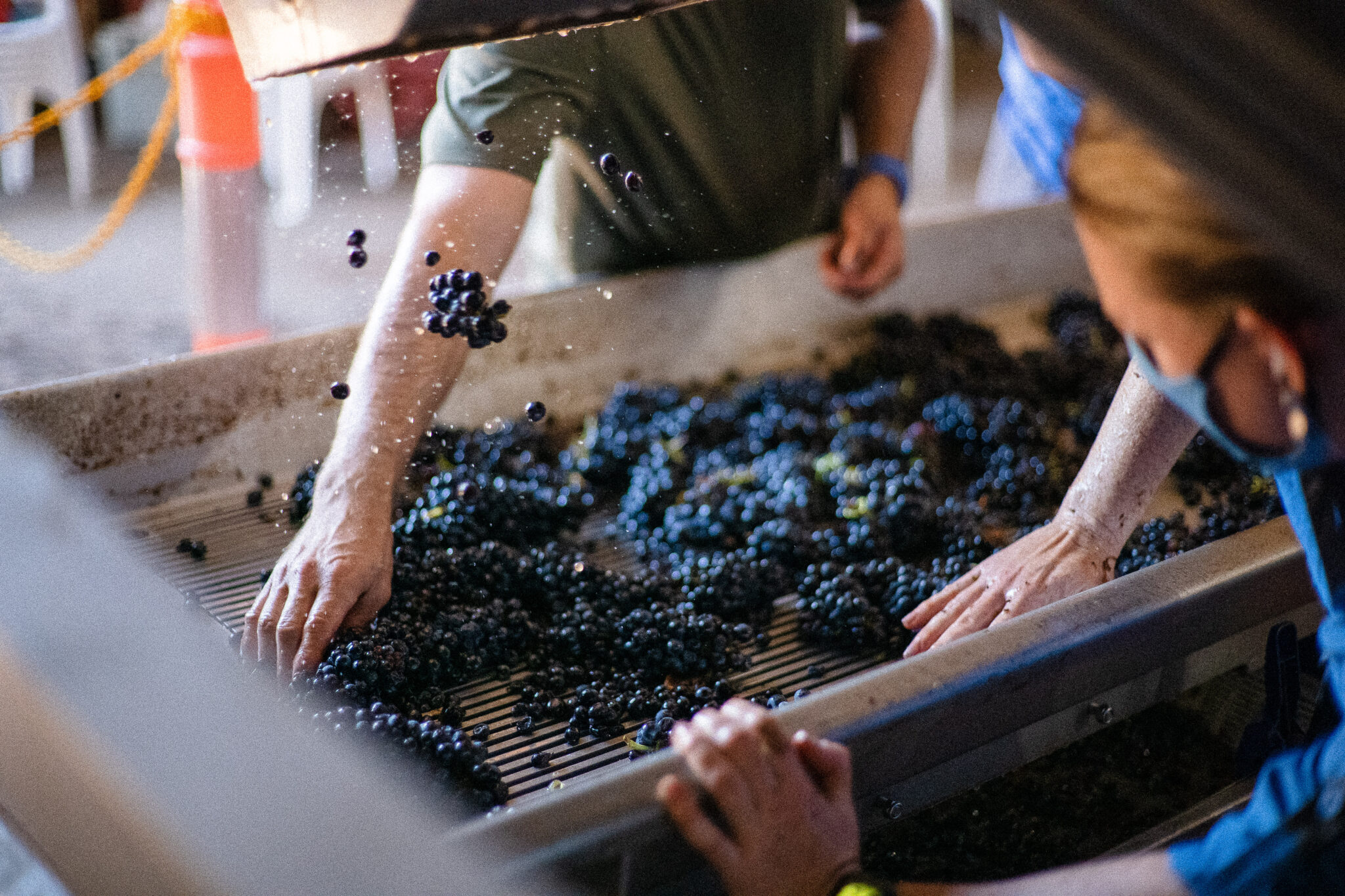
All fruit was hand-picked and sorted before being whole-bunch pressed in our pneumatic press. The juice was clarified using flotation and then seeded with multiple yeast strains for primary fermentation.
Once fermentation was underway, the wine was transferred to 228-litre French oak barriques, of which 48% were new, where primary fermentation was completed. The wine then underwent full malolactic fermentation and remained in barrel for approximately 18 months.
At the end of the maturation period, the wine was racked and blended in stainless steel. Fining trials were carried out but none improved the wine, so it remained unfined. It was then cold stabilised and sterile filtered before being bottled on 5th August 2026.
TASTING NOTES
Colour and condition :
Medium straw hue with a touch of green at the rim; bright and clear.
Nose :
The nose is immediately appealing, showing lifted aromas of white peach, nectarine and citrus, with hints of lime and grapefruit. Beneath the fruit are the typical Moss Wood Chardonnay complexities of cashew and roasted almond, together with nougat and lightly toasted notes from the barrel maturation.
Palate:
The palate is full-bodied and generous, with peach and nectarine fruit providing good weight and concentration. Fresh acidity runs the full length of the palate, bringing balance and giving the wine a lively, composed feel. Citrus and grapefruit notes provide freshness through the middle palate, while cashew, nougat and subtle toasty oak add complexity and texture. There is excellent depth without heaviness, and the combination of fruit weight and acidity gives the wine a long, clean finish.
CELLARING
As always, the challenge with Moss Wood Chardonnay is deciding whether to enjoy its youthful fruit and freshness or wait for the complexity that develops with bottle age. The 2025 has the fruit concentration, acidity and structure to make both options equally rewarding.
For those who prefer the wine in its youthful form, it can certainly be enjoyed now, when the peach, nectarine and citrus characters are at their most vibrant. Over the next decade, these primary fruit aromas will gradually give way to the secondary characters typical of mature Moss Wood Chardonnay, with increasing notes of toast, nuts, caramel and honey.
We expect significant bottle development from around 10 years of age, with full maturity at approximately 20 years old. Beyond that, well-cellared bottles should continue to develop for many years.
| Wine Facts | |
|---|---|
| Median Harvest Date | 3rd March, 2025 |
| Harvest Ripeness | 13.2 Baume |
| Yield | 5.03 t/ha |
| Growing Season Ave Temperature | 20.53°C |
| Number of hours accrued between 18 and 28°C | 1099 hours |
| Number of hours above 33°C | 54 hours |
| Day Elapsed between Flowering and Harvest | 117 days |
| Bottled | 5th August, 2026 |
| Alcohol | 14.0% |







Moss Wood 2024 Pinot Noir
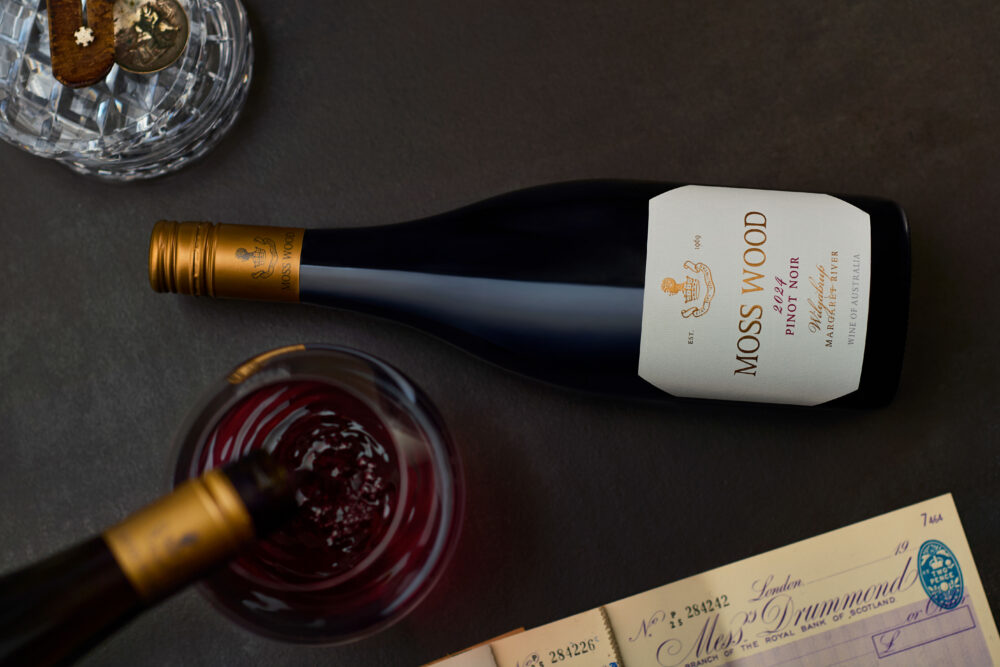
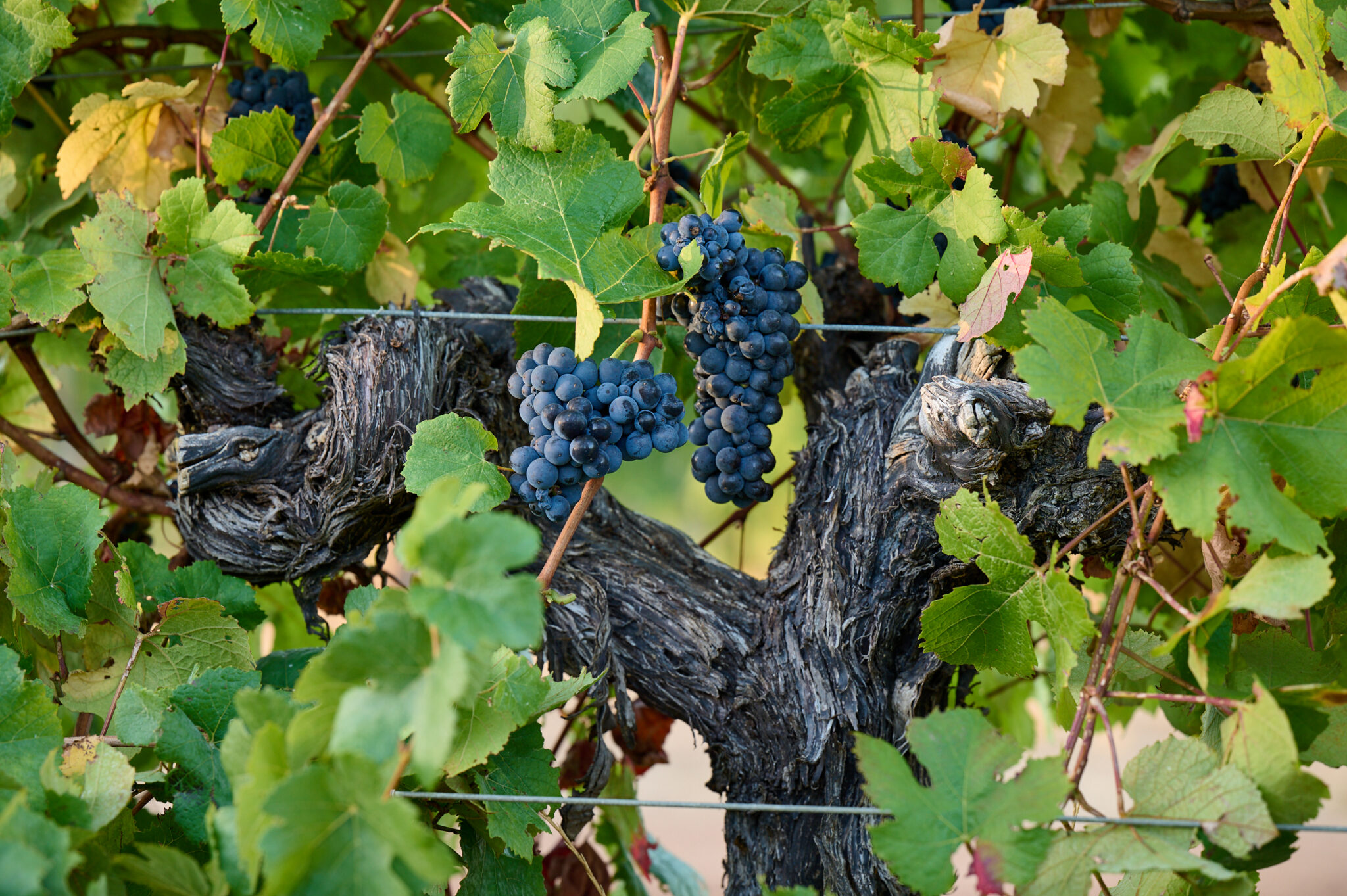
More than 50 years after Pinot Noir was first planted at Moss Wood in 1973, we continue to work with the oldest Pinot Noir vines in Margaret River. The 2024 is our 48th release and marks the 47th consecutive vintage of the wine. That long history gives us a unique perspective on the variety, as we continue to learn from the vineyard and see how these old vines respond to the different conditions each season brings.
Vintage Notes
The 2023/24 growing season was an early one for Pinot Noir, characterised by warm, dry conditions and a relatively quick progression from flowering to harvest. While the season was warmer than average, it was not dominated by prolonged periods of extreme heat. Instead, consistent warmth and very low rainfall provided favourable ripening conditions and kept disease pressure to a minimum.
Rainfall for the calendar year was 910mm, around 11% below the long-term average. More significant was just how dry the growing season became. From flowering through to harvest, only 20.4mm of rain was recorded. Our dry-grown vines have deep root systems developed over many decades and are well equipped to cope with these conditions, although with so little rainfall during the growing season, we suspect they experienced some degree of water stress as the season progressed.
Conditions during flowering were generally favourable. Just 10.8mm of rain fell during this crucial period, providing good conditions for flowering and fruit set was solid. Temperatures provided more of a challenge, with eight days below 8°C and a minimum of 2.3°C recorded right in the middle of flowering. Although there was no significant frost damage, these cold conditions may have had some impact on fruit set and contributed to the eventual yield.
Once flowering was complete, the warm and dry conditions saw ripening progress quickly. Pinot Noir completed its cycle in just 94 days from flowering to harvest, compared with the long-term average of 103 days. The average temperature over this period was 20.32°C, modestly above the long-term figure of 19.7°C. The vines accumulated 910 hours between 18–28°C, comfortably within the range we consider favourable for photosynthesis and ripening.
Importantly, the season was not dominated by excessive heat. There were 56 hours above 33°C, slightly above the long-term average but well below the hottest recent seasons. The story of 2024, therefore, was more one of consistent warmth than extreme heat.
The median harvest date was 30th January, around three weeks earlier than average, with the fruit reaching 13.3° Baume. Despite the early timing, ripeness was slightly below the long-term average of 13.5° Baume, with the fruit reaching flavour maturity without excessive sugar accumulation.
Yield was 5.15 tonnes per hectare, around 16% below the long-term average of 6.1 t/ha. We believe vine age is now the major contributor to this gradual reduction in crop, with the exceptionally dry growing season and associated water stress likely providing an additional influence in 2024. The cold conditions during flowering may also have played a smaller role.
Overall, 2024 was an early, warm and dry season, but importantly not an excessively hot one. The moderate crop arrived at the winery in excellent condition, with good flavour concentration, freshness and balance.
Production Notes
All fruit was hand-picked and sorted before processing. Approximately 70% of the bunches were destemmed into small, open fermenters, with the remaining 30% included as whole bunches.
The must was chilled for a 48-hour cold soak before being allowed to warm naturally and seeded with multiple yeast strains for primary fermentation. Fermentation temperatures were controlled to a maximum of 32°C and each batch was hand-plunged three times per day. Each ferment was tasted regularly to monitor extraction and tannin balance before being pressed to stainless steel for completion of malolactic fermentation.
Once malolactic fermentation was complete, each batch was adjusted and racked to 228-litre French oak barriques, of which 17% were new. The wine remained in barrel for 18 months before being racked and blended in stainless steel. Fining trials were carried out but none improved the wine, so it remained unfined. It was then cross-flow filtered, membrane filtered and bottled on 3rd November 2025.
Tasting Notes
Colour and condition:
Medium to deep ruby hue; bright condition.
Nose:
Lifted and fragrant, with bright aromas of strawberry, red cherry and plum, together with rose petal and musky notes. The whole-bunch component adds an attractive spicy lift, with hints of clove and cinnamon sitting behind the fruit. As the wine opens, more complex earthy and mushroom notes emerge, with the French oak providing a subtle, toasty background.
Palate:
The palate is medium-bodied, with generous strawberry and cherry fruit running through its full length. There is good concentration without heaviness, with fresh acidity providing lift and firm but well-balanced tannins giving the wine structure and length. Plum, spice and earthy notes build through the middle and back palate, while the oak remains restrained and well integrated. The finish is long and composed, with the fruit, tannin and spice combining to give the wine excellent balance.
CELLARING
As is typical of Moss Wood Pinot Noir, the 2024 has generous fruit and good balance and can certainly be enjoyed as a youngster. However, underneath the bright fruit is the structure and complexity required for long-term cellaring.
Over the first decade, we expect the strawberry, cherry and plum characters to remain prominent while the tannins gradually soften. From around 10 years of age, the wine should begin to develop the bottle complexity typical of mature Pinot Noir, with the fruit joined increasingly by earthy, mushroom and savoury notes.
For those with the patience and cellar space, full maturity should be reached at around 20 years of age, and we expect the wine to continue to drink well beyond that.
| Wine Facts | |
|---|---|
| Median Harvest Date | 30th January, 2026 |
| Harvest Ripeness | 13.3 Baume |
| Yield | 5.15 t/ha |
| Growing Season Ave Temperature | 20.32°C |
| Number of hours accrued between 18 and 28°C | 910 hours |
| Number of hours above 33°C | 56 hours |
| Day Elapsed between Flowering and Harvest | 94 days |
| Bottled | 3rd November, 2025 |
| Alcohol | 14.0% |





Moss Wood 2025 Autrement pINOT nOIR
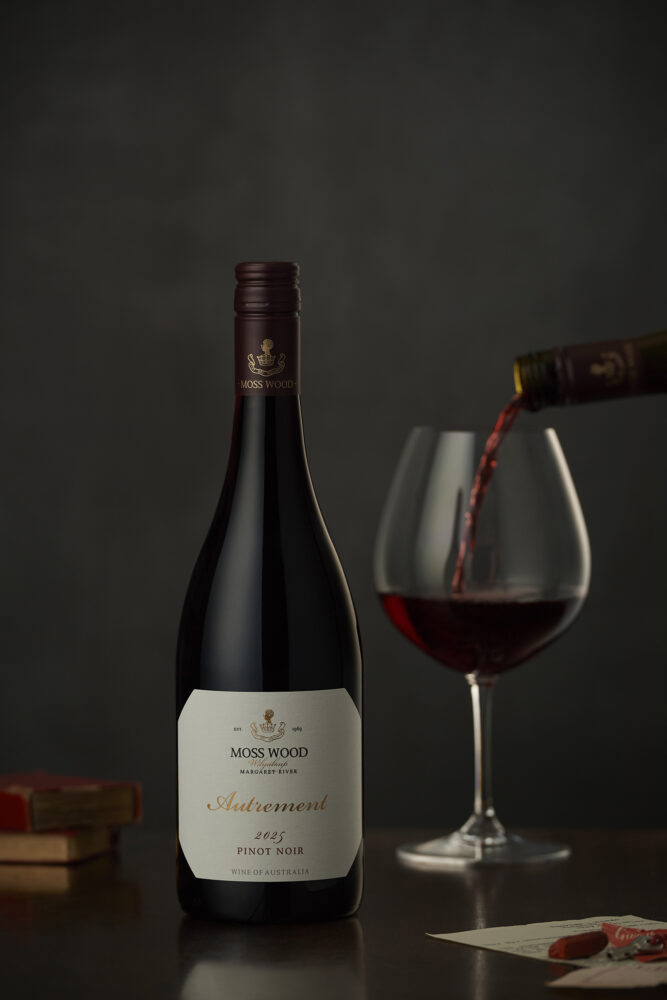
The 2025 vintage marks the second release of Moss Wood Autrement Pinot Noir. “Autrement” is the French word for “in another way” - a fitting name for our exploration of Pinot Noir from a different perspective, in the cooler locality of Karridale.
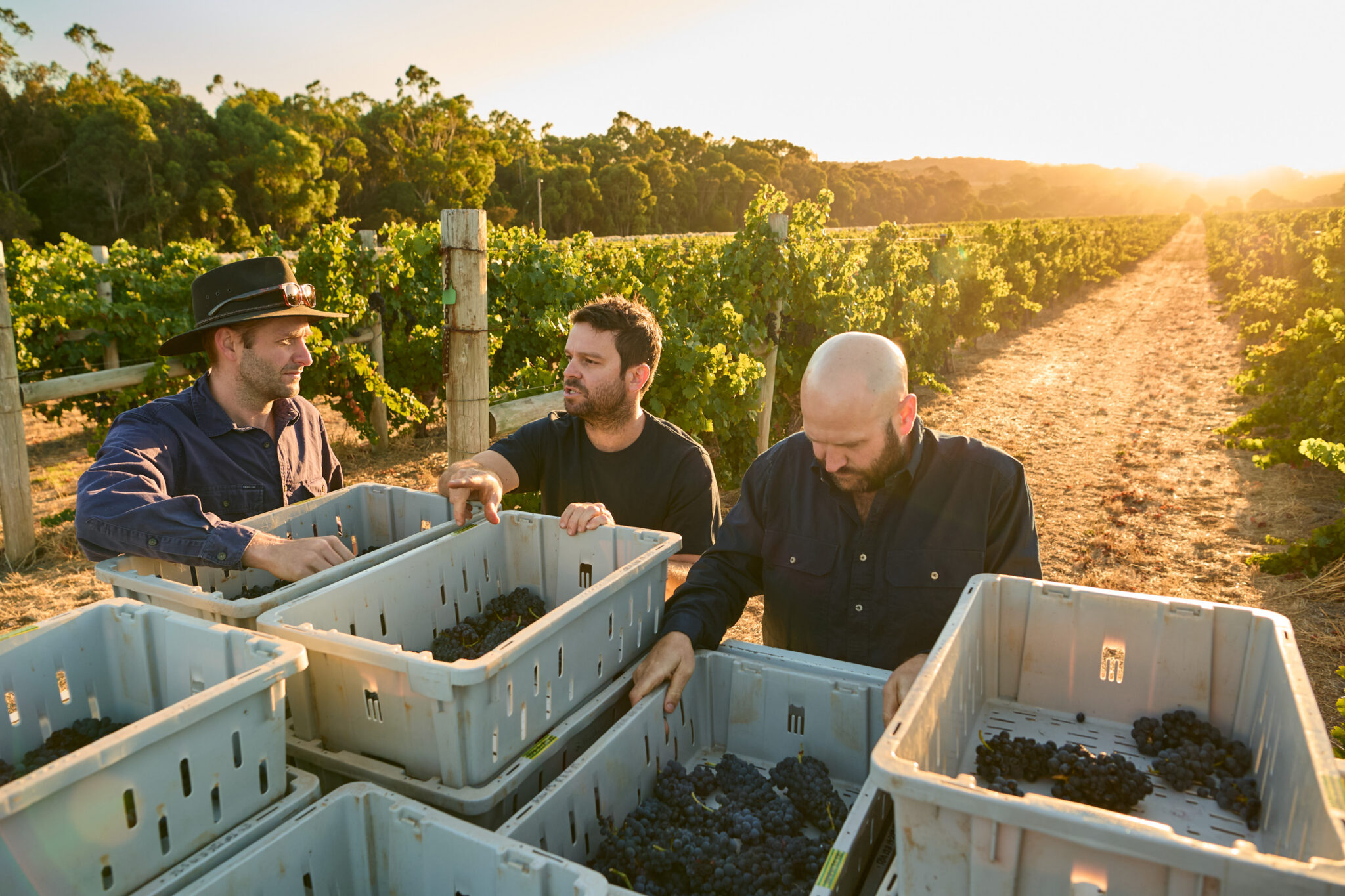
Pinot Noir has been part of the Moss Wood story since our first plantings in Wilyabrup in 1973. Over the years, our fascination with the variety has occasionally taken us further afield, including projects in Pemberton and the Mornington Peninsula. In late 2023, the opportunity arose to work with high-quality Pinot Noir from Karridale, approximately 60 kilometres south of Moss Wood. The vineyard's distinctly different climate, three Pinot Noir clones and, most importantly, the flavour of the fruit encouraged us to explore the variety once again outside our home vineyard.
The inaugural 2024 Autrement confirmed our enthusiasm for the site and we were very pleased to return for a second vintage in 2025.
VINEYARD
Although both Wilyabrup and Karridale fall within the Margaret River GI, the climatic differences between the two sites are significant. Karridale's more southerly location and proximity to the Southern Ocean bring cooler daytime temperatures and lower seasonal heat accumulation, slowing the progression through budburst, flowering, veraison and ripening. This generally results in a later harvest and helps preserve natural acidity while allowing flavour and tannin development to progress steadily.
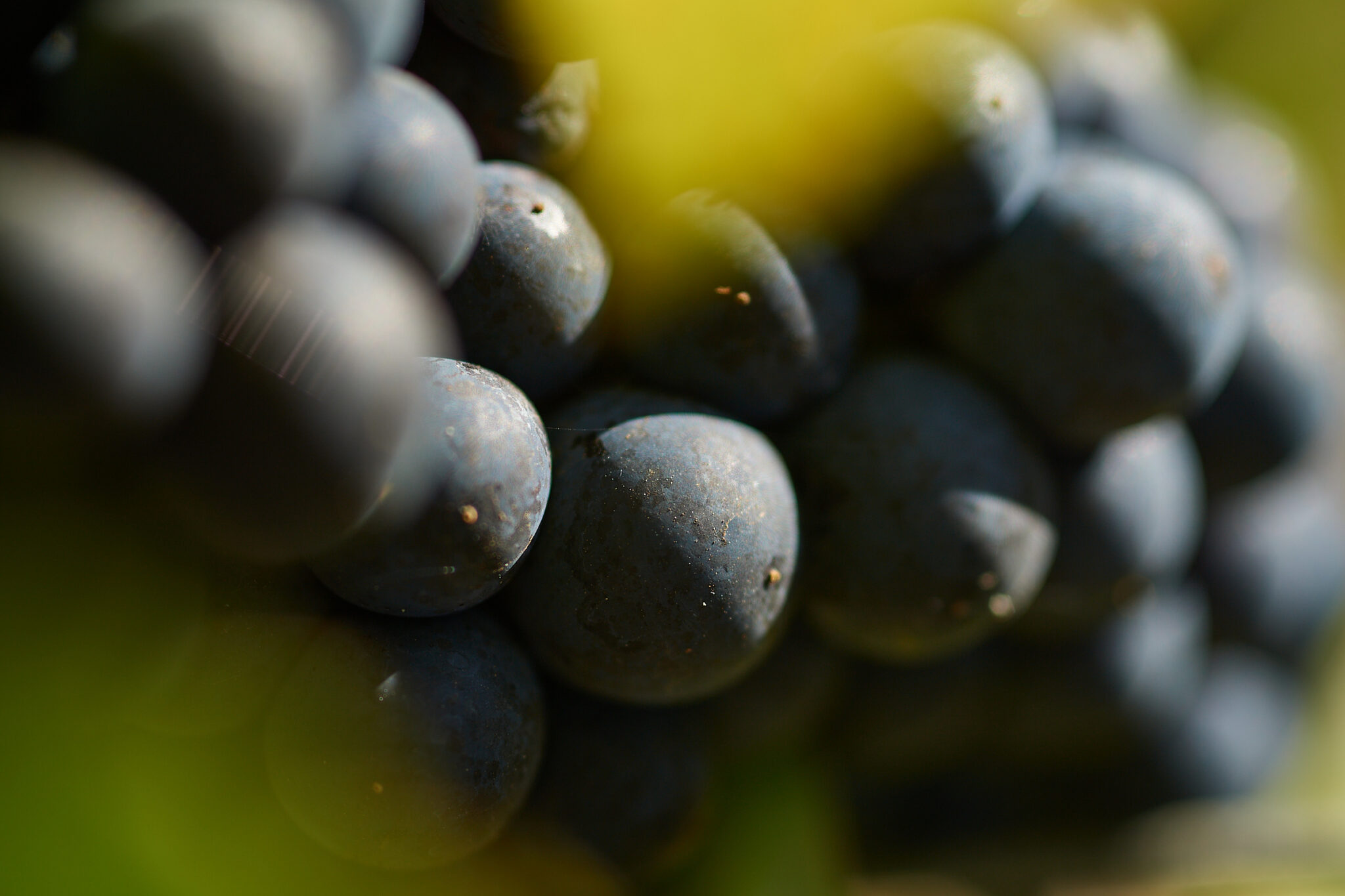
The vineyard contains three Pinot Noir clones, each bringing something different to the final wine. D4V2, the “droopy” clone also planted at Moss Wood, contributes bright aromatics and red fruits such as strawberry and cherry. The 2325 clone provides firmer tannin and savoury characters, while D2V6 contributes deeper colour and darker fruit notes. The vines are trained on a Geneva Double Curtain trellis, providing good sunlight exposure to the fruit zone and encouraging even ripening.
Vintage Notes
The 2025 season provided an interesting contrast to the inaugural 2024 vintage and allowed us to see the Karridale vineyard under more typical conditions. The unusually warm 2023–24 season accelerated development considerably, bringing harvest forward by around two to three weeks and resulting in the Pinot Noir being picked on 2nd February at 13.4° Bé.
Conditions in 2025 were more moderate and ripening progressed at a considerably steadier pace. Regional heat accumulation was around 11% lower than the previous season, while good winter rainfall provided healthy soil moisture reserves going into the growing season. Although there were some warm days through summer, there was no repeat of the sustained warmth that had driven the early 2024 harvest.
The difference was clearly reflected in the vineyard. Median harvest in 2025 was 25th February, 23 days later than the previous year, at a mean ripeness of 13.1° Bé. This additional time on the vine, without a corresponding increase in sugar, allowed flavour and phenolic development to progress gradually and provided a much clearer expression of the Karridale site.
Production Notes
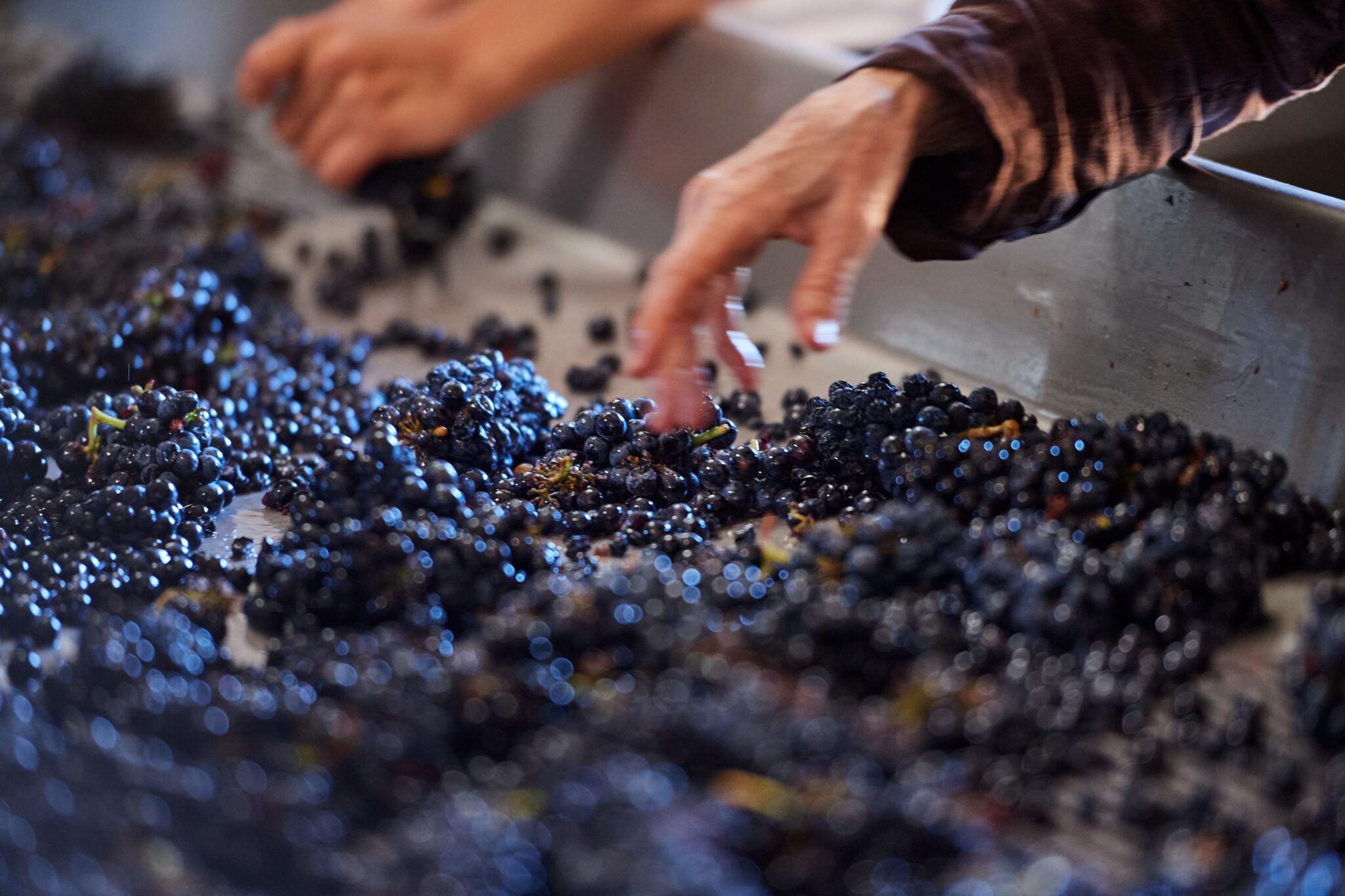
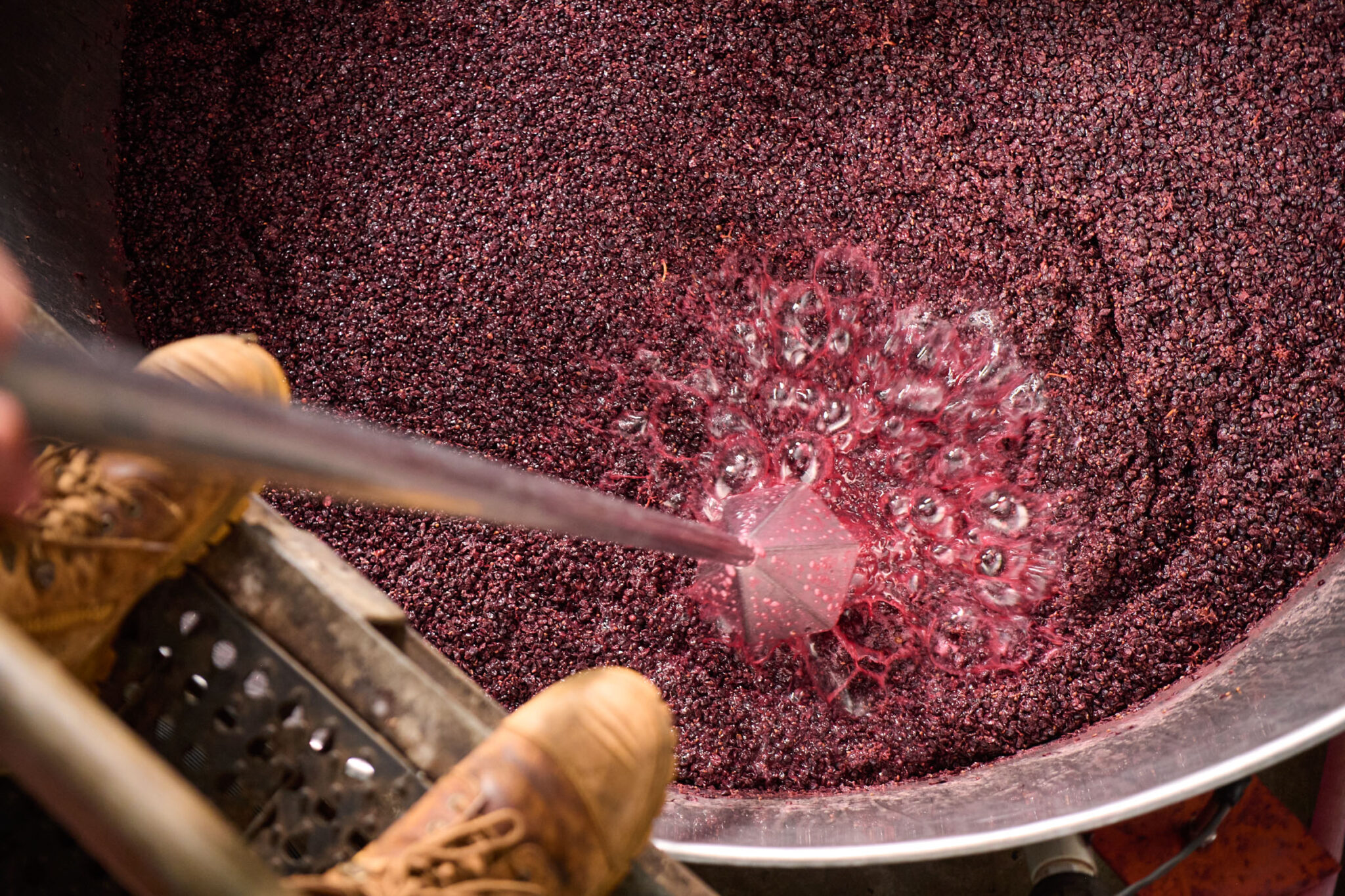
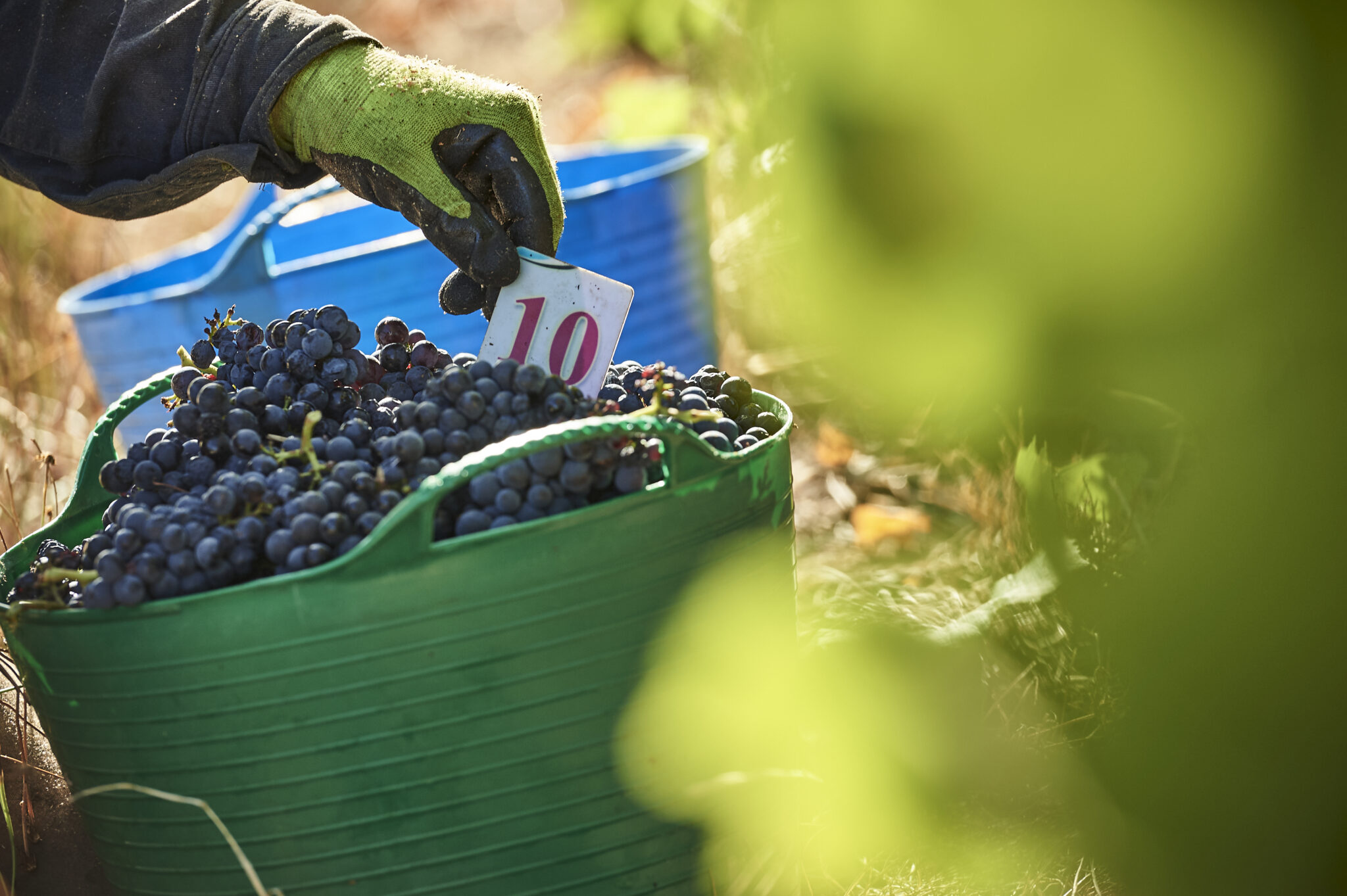
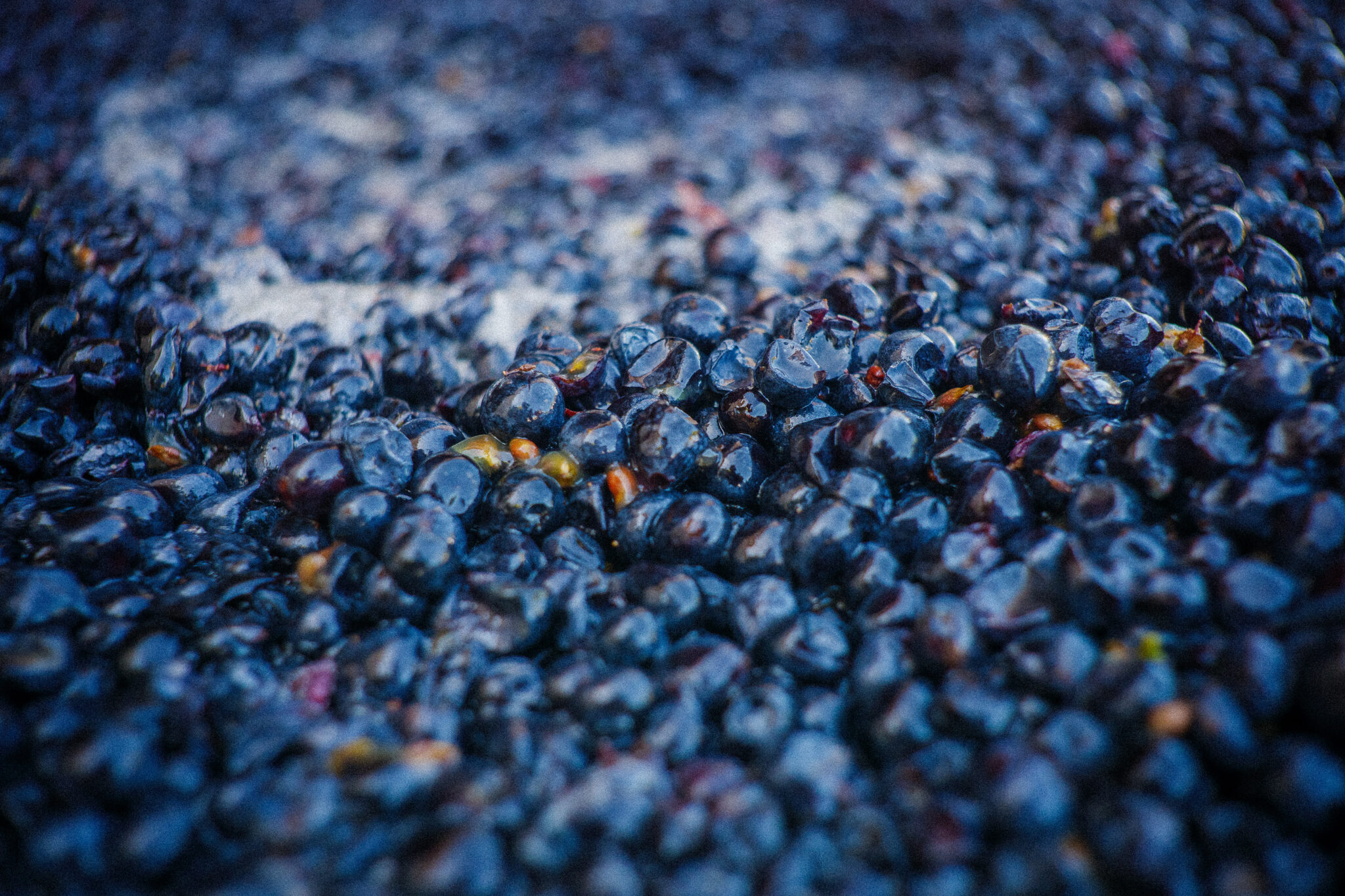
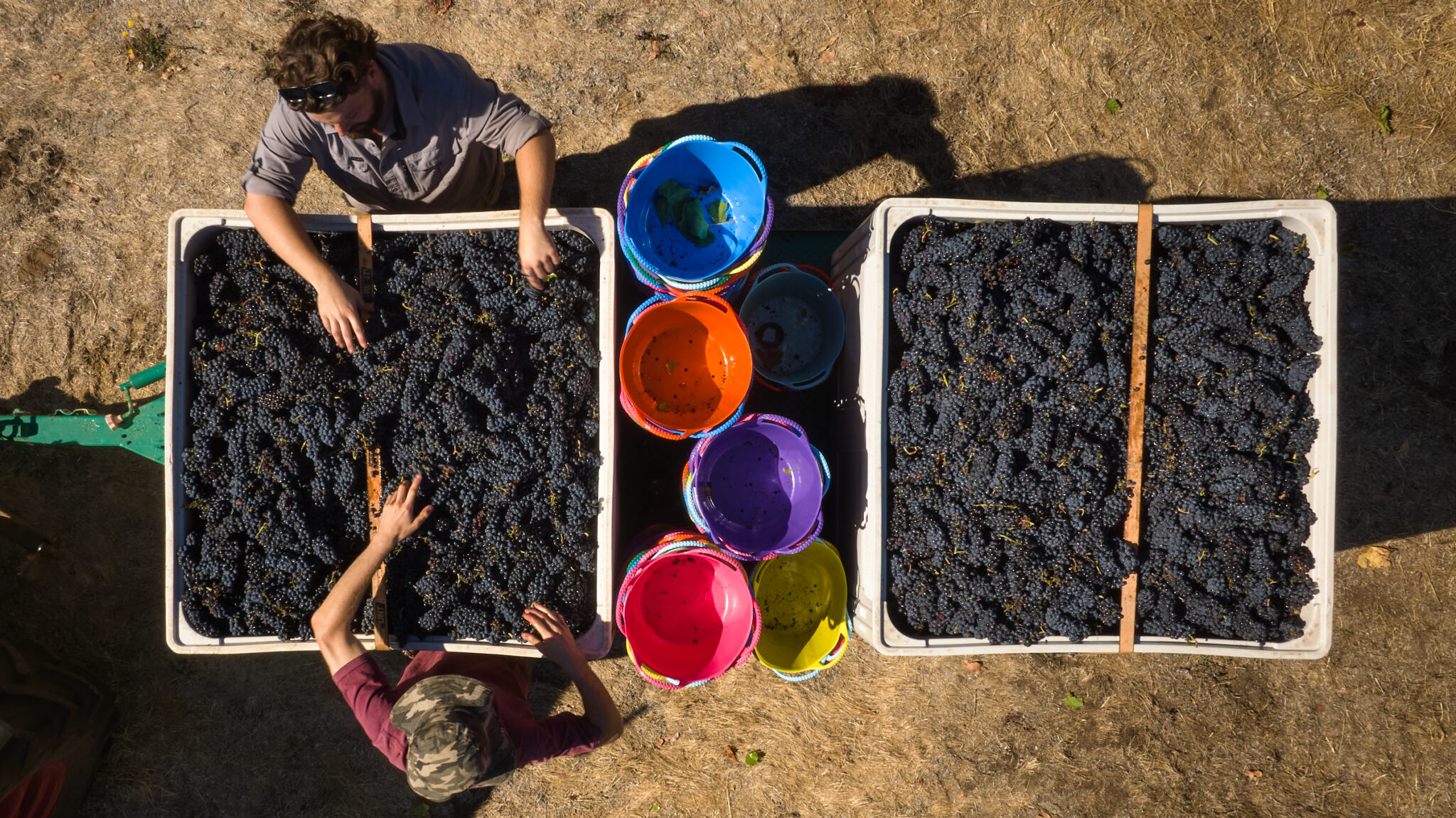
All fruit was harvested by hand and transported to Moss Wood, where it was carefully hand sorted before processing. As with the inaugural vintage, whole bunches remained an important component of the winemaking, although in 2025 we adjusted the proportion according to clone.
D4V2 and D2V6 were fermented with 30% whole bunches, while the 2325 component was reduced to 20%. Having worked with the vineyard for a second season, we felt this clone naturally carried sufficient tannin and savoury character and therefore required less of the additional structure contributed by whole-bunch fermentation.
The must was chilled to 8°C and held for a 48-hour cold soak before being allowed to warm naturally. Fermentation began spontaneously with wild yeast and continued this way for six days. Once the developing wine had reached more than 3% alcohol, the ferments were inoculated with cultured Saccharomyces cerevisiae to ensure a reliable completion.
During fermentation, the tanks were hand plunged three times per day, with temperatures kept below 30°C. After 14 days on skins, each batch was pressed separately and the individual components were transferred to 228-litre French oak barriques.
The wine spent nine months in barrel, 13% of the barrels being new. The final blend remained unfined and was cross-flow and membrane filtered before bottling on 12th January 2026.
Tasting Notes
Colour and condition:
Bright crimson red; clear and vibrant condition.
Nose:
Lifted and fragrant, with bright red fruit aromas of cherry and strawberry at the forefront, accompanied by raspberry and subtle floral notes. The savoury characters seen in the inaugural vintage remain, with gentle hints of dried herbs, mushroom and forest floor, although these sit more quietly in the background. Subtle spice and oak complexity complete the nose.
Palate:
The palate shows lovely freshness and balance, with cherry, strawberry and redcurrant flavours carrying from the front through the mid-palate. Compared with the denser 2024 vintage, the fruit profile is slightly lighter and more delicate, while the tannins are finer and less assertive. Savoury notes of dried herbs and mushroom provide complexity without dominating the bright red fruit. Fresh acidity and supple tannins give the wine a nicely balanced structure and carry it through to a long, elegant finish.
Cellaring:
The 2025 Autrement Pinot Noir is attractive in its youth, with bright red fruit, fine tannins and excellent balance giving the wine immediate appeal. At the same time, its fresh acidity and well-proportioned structure should allow it to develop gracefully in bottle.
Over the next five years we expect the primary cherry and strawberry characters to gradually give way to more complex savoury notes. Between seven and ten years of age, the wine should show the earthy, mushroom and forest floor characters typical of mature Pinot Noir while retaining the freshness and elegance that distinguish the 2025 vintage.
| Wine Facts | |
|---|---|
| Median Harvest Date | 25th February, 2025 |
| Harvest Ripeness | 13.1 Baume |
| Bottled | 1st July 2024 |
| Alcohol | 14.0% |



Order
OUR WINES:
Contact
MOSS WOOD:
Location: 926 Metricup Road, Wilyabrup WA
Postal: PO Box 225, Cowaramup WA 6284
Phone: +61 8 9755 6266
Fax: +61 8 9755 6303
Follow us on
SOCIAL MEDIA: